
WHYY’s ‘Good Neighbor Club’ promotes civic engagement skills for children
Stanley Weaver Mendez / WHYY
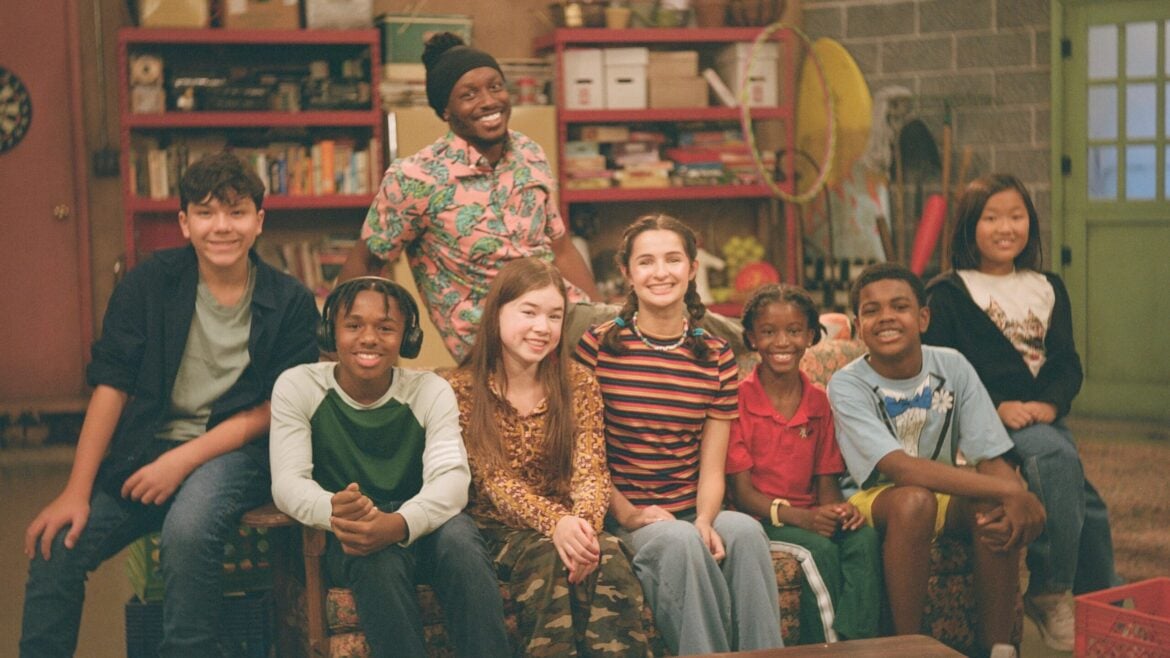
The cast of “Good Neighbor Club,” WHYY’s new series on civic engagement.
This summer, WHYY in Philadelphia is showing children how to push for positive change within their communities.
Across 20 episodes that began airing June 1, the new live-action series Good Neighbor Club teaches children ages six to nine how to participate in, engage with and transform the world around them.
Each episode runs roughly 10 to 15 minutes. WHYY-TV packages pairs of episodes for broadcast; individual episodes are available for streaming on the WHYY Kids YouTube channel. The station also plans to distribute the series nationally in the fall via the National Educational Telecommunications Association.
WHYY produced Good Neighbor Club with support from CPB and The William Penn Foundation. It was the last WHYY program to receive funding from CPB before its dissolution this year, a spokesperson for the station said.
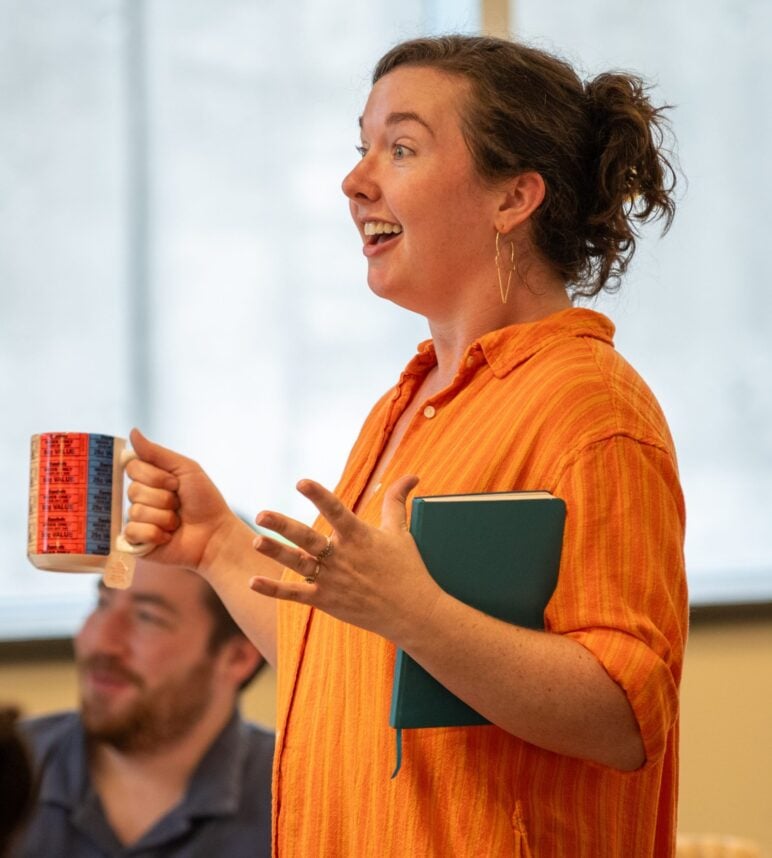
Caitlin Corkery, series creator and WHYY’s senior manager of series production, said Good Neighbor Club offers a mission-positive experience by motivating children to think about their place and role in their communities.
“We’re getting kids to think about themselves as part of something larger … and — even as an elementary school student — someone who can have impact and who can take action,” Corkery said. “You don’t have to wait for things to happen to you. You can be a person that steps up and says like, ‘Hey, I think we should do a kid skillshare in town.’”
The series exemplifies public media’s commitment to stimulating children’s interest in civic engagement by modeling how to participate effectively, said WHYY CCO Terri Murray. Episodes show how to contact community leaders to advocate for change in a local matter, how to read and navigate news coverage and how to learn about your neighborhood by creating a map.
“We all basically strive to have … a real deep connection with the community,” Murray said. “Kids are at the forefront of that. They’re our future. We want to entertain and educate them to the best of our abilities — in the most fun way so it doesn’t seem like a chore.”
‘Notice, think, do’
Good Neighbor Club builds on WHYY’s 2023 series for children, The Infinite Art Hunt, which focuses on exploring and learning about local art. CPB and the William Penn Foundation also supported that show.
WHYY’s production team wanted to do more with the show’s characters in a civics-focused program. The idea was to demonstrate how children can take “small steps in their own communities to build a better world,” Corkery said. “Hearing national or global news can be a lot for kids this age to process,” she added.
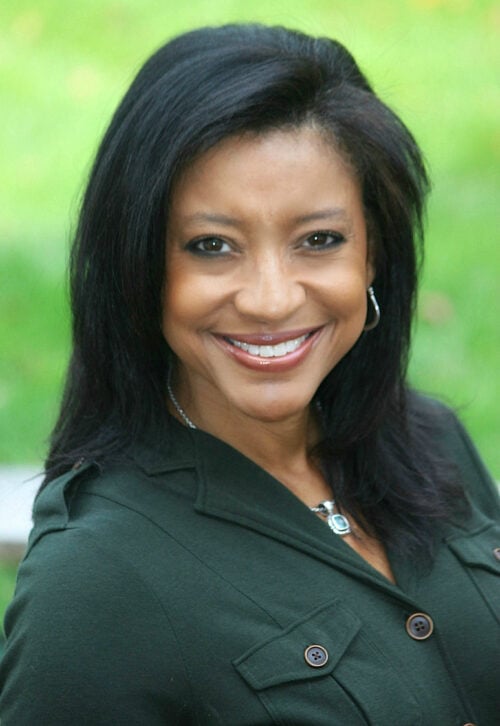
The team pitched their idea for Good Neighbor Club to CPB in early 2024 and secured a $300,000 production grant in October 2024, Murray said. The William Penn Foundation provided an additional $80,000.
Good Neighbor Club features actor Bianca Salerno as Freddie, who explores what it means to be a good neighbor and organizes her friends to put those ideas into action. Cast with actors from Pennsylvania, New Jersey and Delaware, the series is primarily set in the garage of Uncle Mars, another character from the art series, portrayed by Marcely Jean-Pierre.
Corkery wanted the series’ treatment of civics to feel relevant to children, she said. They aren’t able to participate in elections and other civic activities, but there are aspects of community life where they can “influence positive change … right now,” she said.
In one episode, a character named Arden gripes about how difficult it is for pedestrians to cross the street safely near a new grocery store. After figuring out a crosswalk would improve the situation, Arden and Freddie go through the process of writing to a local official about it.
The story in each episode is structured around a progression of “notice, think, do.” The team devised the storylines to encourage viewers to observe what’s going on in their communities and find ways to make changes.
The model prompts kids to “notice the environment around them, what’s working, what’s not working,” research and think through problems until they feel “empowered to be active and create a solution in their own community,” Corkery said.
A recurring segment provides real-life examples of how communities respond to the themes presented in each episode. Dubbed “Neighbor Net,” the segments were produced in partnership with four other stations and feature students from their communities. PBS North Carolina produced one that features two girls from Sanford, N.C., as they use a map to visit various city landmarks. Participating stations include Montana PBS, Detroit PBS and WITF in Harrisburg, Pa., Corkery said.
WHYY enlisted two Philadelphia-based experts to help develop the series’ curriculum: Tim Patterson, associate professor in teaching and learning at Temple University, and Julie Silverbrook, chief content and learning officer at the National Constitution Center. The two provided feedback on episode topics and treatments.
“We always want to make sure we’re not creating in a vacuum, and we’re talking to people who actually know the demographic and know the subject materials,” Corkery said. “They can say, ‘This is a relevant solution or a good way to present this,’ or ‘You’re totally missing the mark. Try again.’”
To take the learning off-screen, the curriculum includes two activity sheets for each episode; these are available as free downloads from the show’s website. The sheets were designed for PBS LearningMedia for classroom use, but also have a zine format so they can be easily distributed at libraries across the city, Corkery said.
Summer timing
For its summer schedule, WHYY is airing Good Neighbor Club Saturday mornings at 7:30. In the fall, it will be stripped across weekdays, Corkery said. A free family block party, hosted by WHYY in the parking lot of its headquarters May 31, celebrated its debut. The block party featured appearances from the series’ cast, tabling from various vendors featured in the series, representatives from the public library and a community fridge, Corkery said.
Murray hopes Good Neighbor Club will become a valuable resource for parents and teachers, and that public stations nationwide will use it to “strengthen their connections with their communities” once the series launches into national broadcast distribution via NETA.
Despite the turbulence surrounding the public media landscape, Corkery said the series exemplifies the broader mission of public media to fulfill community needs.
“The only thing anyone can offer at uncertain times is delivering on the promise of public media,” Corkery said. “Consistently still giving folks the thing they come to expect from their local public media stations — content that is so thoughtfully built and made really with the audience in mind — that’s all you can ever do … and hope that it resonates with your audience.”