

NPR turns to buyout program amid revenue decline
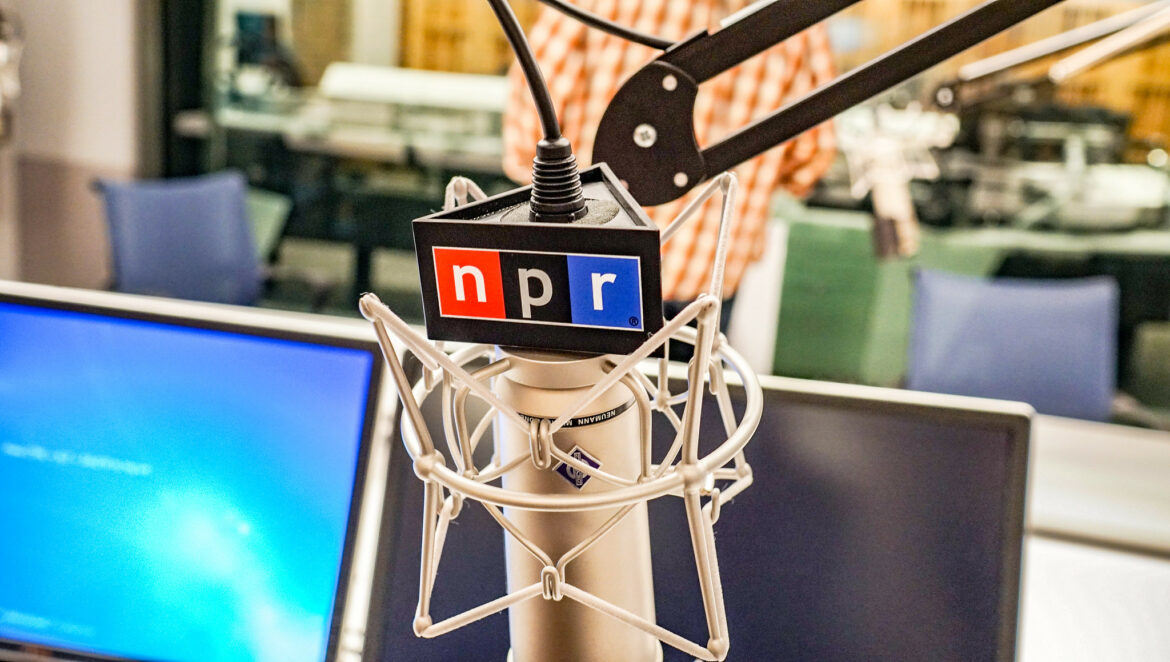
Ted Eytan / Flickr via Creative Commons
NPR announced a voluntary buyout program and newsroom restructuring Monday as it looks to offset a forthcoming drop in revenue from station membership dues and a projected dip in sponsorship.
The network is offering buyouts to 300 staffers and expects to accept about 30, according to spokesperson Juliet Barbara. The deadline for staff to accept the buyout is May 26.
NPR will see a $15 million decline in revenue due to a change in dues charged to member stations, CEO Katherine Maher said in a memo to staff.
“We’ve been closely monitoring NPR’s financial health over the past year,” Maher wrote. “Federal defunding has hurt public media, and many of our Member stations are no longer able to pay fees at prior levels. NPR’s new Membership model incorporates a $15 million reduction in fees, based on our projections of station capacity. Meanwhile, economic uncertainty, a tough newscycle, and softness in radio listening has led to lower projections in sponsorship revenue.”
Maher said NPR is using the buyout program to “minimize involuntary reductions as much as possible.” The network has worked with the Screen Actors Guild – American Federation of Television and Radio Artists, which represents some NPR employees, “to make the voluntary path as generous and accessible as possible so that involuntary reductions can be kept to a minimum, but I can’t promise that we will avoid them entirely,” she wrote.
NPR will proceed to involuntary reductions May 27 if needed following the buyout period, she wrote.
NPR announced in April that it received two donations totaling $113 million. While donor support has “significantly offset” some of NPR’s losses, “we still project that we’ll face future deficits if we don’t take action now to restructure for the future,” Maher wrote.
“The extraordinary gifts we received earlier this year will be used to invest to drive sustainability over the long term,” she wrote.
Maher announced that NPR is negotiating with SAG-AFTRA to require employees who have been approved for hybrid work to be in the office three days each week. The current agreement with SAG-AFTRA requires employees in the content division who are cleared for hybrid work to put in at least 10 days per year in an NPR facility.
“Although we’re still negotiating with SAG-AFTRA, we recognize that this may be important information to those considering participating in the voluntary buyout program, which is why we are announcing it now,” Maher wrote.
As part of the newsroom reorganization, NPR will be “integrating several desks and beats, reintegrating the Culture desk into the newsroom,” Maher wrote. NPR will also create a new desk dedicated to improving collaboration with stations and regional newsrooms, she wrote. The changes go into effect June 15.
NPR will sunset its regional bureau chief structure while adding the Regions & Stations desk, Barbara said. She added that the desk will be a “one-stop shop to centralize story pitching, coordinate local-national story curation, align editorial collaborations like topic verticals, and generally build connections, workflows, and planning across the Network editorial community.” NPR is setting a goal to increase local reporting on its national platforms, Barbara said.
Maher also announced several newsroom leadership changes in her memo. VP & Executive Editor Eva Rodriguez will move away from that role to consult on “the strategy of newsgathering and digital including the new Regions & Stations desk,” Maher wrote. Chief Washington Editor Krishnadev Calamur will move into the VP and Executive Editor role.
Dana Farrington, deputy editor on the Washington desk, will be editor of the Politics & Policy Desk, and Eric Marrapodi, VP of news programming, will take a temporary assignment leading a unit focusing on video.
Sami Yenigun, EP of All Things Considered, will be on a temporary assignment as VP for shows, leading Morning Edition and ATC, including their weekend versions, and newscasts. ATC Senior Editor Courtney Dorning will work temporarily as EP of ATC.
“We did not come to this decision lightly. We know that everyone here is a part of what makes NPR exceptional, and that our colleagues are all deeply committed to NPR’s mission,” Maher wrote. “… We also recognize that we need to make changes to how we work and new investments in how we serve our audience if we’re going to adapt to the future ahead. The newsroom is foundational to our mission — it feeds and fuels our shows and podcasts. We need to ensure that our desks and people are organized around the principles, workflows, and priorities that will best serve our future.”





What a shame! NPR and PBS is so important to those of us who live in places like Alaska. Fairbanks has increased fund-raising efforts and we are doing our part to try to maintain program quality. Rest assured we will remember those who did not support Public Broadcasting when we cast out votes this fall.
Liberal registered Democrat here my entire life who grew up on Bob Edwards, and yet I can now rarely tolerate more than about an hour of ME and ATC content every other day. The cute jokes, the mood-manipulating music, and frequent identify stories are just too much. It seems to me that the newsroom standards that once made NPR great have settled into insular formulaic programming, and have prioritized culture over solid fact-finding and good writing. Give me straight news delivery by actual journalism professionals who strive for true national relevance and courageous reporting, not gossipy chat among novices who pitch novelty stories for their clique friends.