
Local Public sets growth goals as stations build streaming strategies
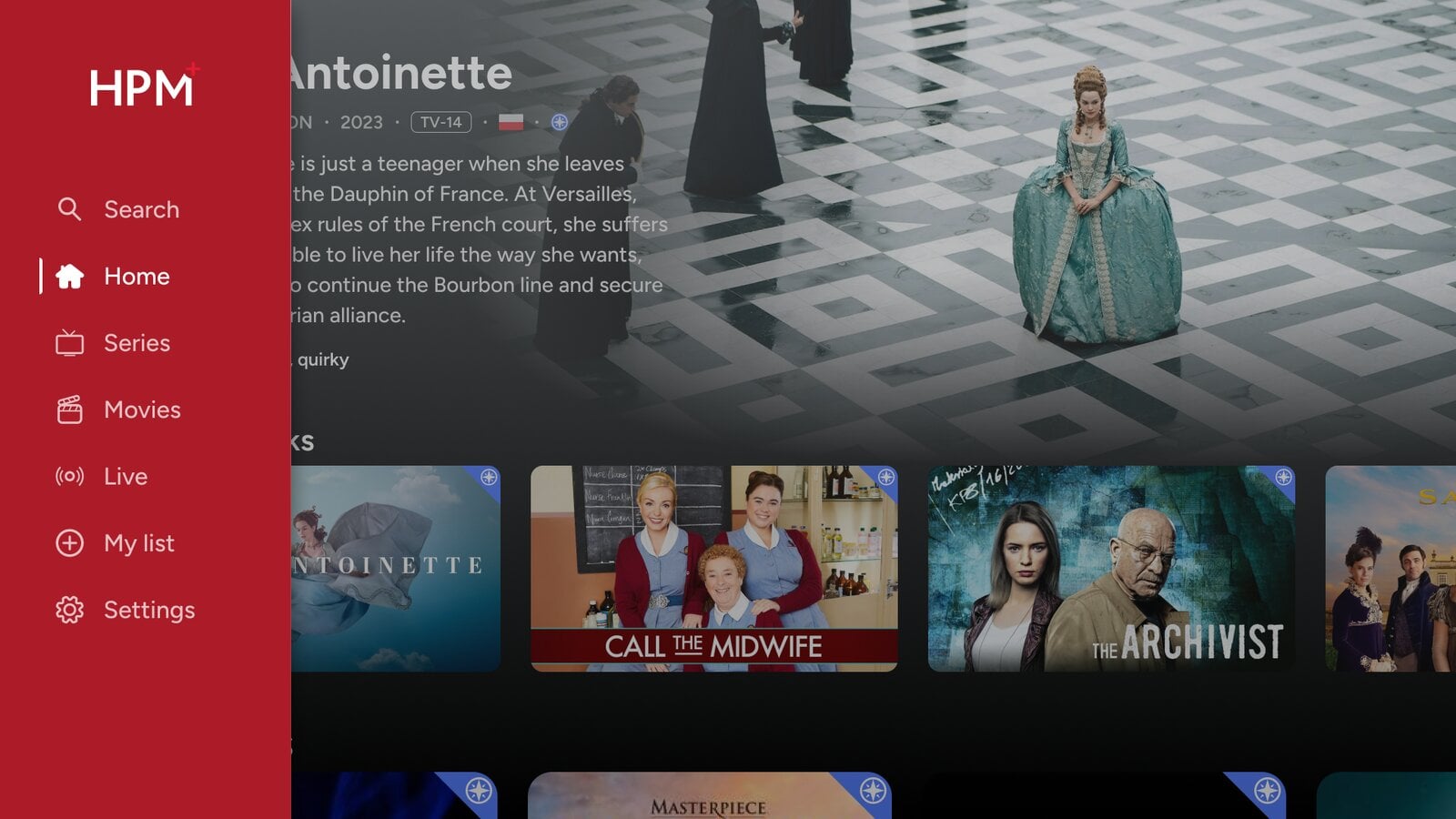
HPM/Cascade PBS
Houston Public Media rolled out its Local Public app this year.
The developers behind Local Public, a video streaming platform for public TV stations, plan to have at least 30 stations using the platform by the end of the summer.
Local Public, launched by Seattle’s Cascade PBS in early 2024 and in a pilot phase since last summer, aims to appeal to stations by giving them more ways to customize offerings than PBS’ video app. Stations can also use data from their Local Public apps to make more informed decisions about what viewers watch and want to see more of.
“I can see how many people streamed yesterday. What did they stream? How long did they stream?” said Heather Milne Barger, CMO for KPBS in San Diego. “Being able to have that data so quickly allows us to be more responsive in how we program the apps.”
Barger said that with the PBS app, “there’s a delay in getting the data from PBS, so we can’t respond as quickly. And also, we just don’t have as much control over the PBS app. So having almost nearly complete control over KPBS+ and having the data just allows us to know more about what the community wants.”
Local Public will soon be able to include streams of stations’ radio feeds and other audio-specific options. Other advancements coming in fiscal year 2027 include new ways to monetize underwriting.
For Kevin Colligan, Cascade’s VP of media and innovation, the positive feedback from stations is fueling high hopes for Local Public’s long-term potential. “Growth is a big part of what we’re planning, and we’re hoping within three years to be around a hundred stations,” he said. “Maybe all of them.”
Local Public’s features
For stations, Local Public offers a way to grow revenue from digital platforms at a time when underwriting income has been falling and on-air pledge drives are losing impact. The app allows free viewing, but viewers who donate at a minimum monthly level set by their station can also unlock PBS Passport content.
For WETA in Washington, D.C., user conversion from free to paid use of WETA+, the station’s Local Public app, is 11.2%, “three times higher than what we experience on the national PBS app,” said Miguel Monteverde, SVP and GM.

“It’s a new donor and revenue machine for us,” said Jeff Regen, VP of membership marketing and development services.
Small and mid-sized stations also see Local Public as an important tool for cultivating donors. The Local Public app for PBS Charlotte in North Carolina has had 8,000 installs this fiscal year and brought in 546 donations totaling nearly $24,000, according to GM Amy Burkett.
“We appreciate the PBS app, and tons of our viewers and donors take advantage of the PBS app, so it’s a wonderful thing,” Burkett said. “But we like that this is another option for folks.”
Burkett said she also likes that it’s easier to use PBS Charlotte+ for promoting station events than the PBS app. It used PBS Charlotte+ to promote an April lunch with former PBS News Hour anchor Judy Woodruff. The station also curated a section alongside Ken Burns’ The American Revolution to promote Freedom’s Footsteps, a locally produced special that focused on the historical period.
An annual subscription to Local Public ranges from $60,000 for a small station, defined as a station with fewer than 15,000 Passport-eligible members, up to $100,000 for a large station with more than 40,000 Passport-eligible members. Stations also pay a one-time onboarding fee. Prices are locked in for three years for stations that sign up and launch this fiscal year, and the cost may decline as the app scales up, Colligan said.
For stations at highest risk following the rescission of federal funding, Public Media Venture Group has added Local Public to its TechBundle, a package of low-cost services. Lehigh Valley Public Media in Bethlehem, Pa., which cut almost half its staff in January, recently became the first standalone client for Local Public Light, TechBundle’s version of Local Public. The monthly cost of Local Public Light, which has fewer features than the full Local Public app, can reach $3,250.
A ‘nonprofit answer’ to FAST channels
Stations using Local Public are taking advantage of app features that allow them to target content to their local communities. KPBS and Rocky Mountain PBS feature local programs about the outdoors at the top of their streaming pages, while WETA’s Local Public app focuses more on Masterpiece dramas and political programs. PBS’ streaming app didn’t allow such customization until recently.
Viewers of WHRO in Norfolk, Va., are especially interested in programs about the armed forces, so they appear at the top of the WHRO+ app. “We have a very large military community, the largest in the country, and so military-related programs will rise up faster,” CEO Bert Schmidt said. “We know our audience uniquely. … Every station knows their local audience best.”
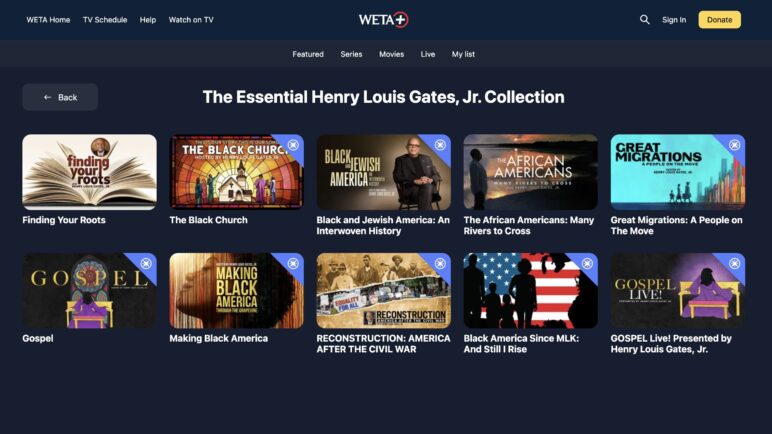
Stations can also share “carousels,” curated program collections with titles like “Music Docs That Rock” and “The Essential Henry Louis Gates, Jr. Collection.” Colligan said his team is also working on content partnerships with American Public Television, the National Educational Telecommunications Association and the National Multicultural Alliance to help spark “a little bit of a renaissance on local productions as we build new economies and new revenue streams that can encourage stations or smaller groups to create original content.” Other ideas include “digital pledge” offerings that would enable donors to download exclusive films and episodes.
Colligan said Local Public’s developers also plan to enhance the app’s underwriting capabilities in FY27. His team is working on what it’s calling “FUUST” channels, which stands for “Free User and Underwriting-Supported Television.” The channels are a “nonprofit answer” to the FAST channel phenomenon and ad-supported video on-demand commercial formats, Colligan said.
“We want to build a FUUST library where stations and nonprofits can share quality programming, and the carrot for them is that they’ll be able to have a piece of sponsorship or fundraising message to it,” he said.
Brad Haug, senior director of programming for RMPBS, said underwriting will be key for the future of the station’s RMPBS+ app. The station is using its app to highlight videos produced as part of an underwriting deal with utility company Xcel Energy. The Partners in Prevention initiative focuses on wildfire prevention and preparedness.
Haug said the Local Public app gives RMPBS more flexibility to section off the videos compared to what’s possible with the PBS app. It also allows the station to tag the videos in a way that brings them to the attention of viewers interested in the outdoors.
“Without the customization, it’s just generic messaging or just throwing that programming into the void,” Haug said. “But with RMPBS+, it’s like this adaptable, trusted thing, and you’re really kind of building a partnership with the corporate sponsors.”
Word-of-mouth growth
For RMPBS, overseeing the launch and maintenance of RMPBS+ has required at least three station employees to add the work to their daily duties. Different employees should handle their app’s programming, technology, and promotions and digital engagement, said Craig Richardson, RMPBS’ director of digital transformation.
“We haven’t done any additional hires to stand this product up or to support it,” Richardson said. “It becomes kind of this matrix team of people in existing positions supporting it and deploying it on the programming side and the digital side.”
Word of mouth has been contributing to the growth of Local Public. Executives at Oregon Public Broadcasting have spoken with WETA’s Regen and others in the system as they’ve weighed whether to adopt Local Public, according to Lisa Garcia Grace, OPB’s SVP of programming and audience engagement. The network was also an early investor in initial efforts to launch the app. It plans to launch its own Local Public app later this year.
“For OPB, the most attractive aspect of Local Public is the ability to independently curate the content and experience for our viewers which in turn creates a true regional showcase for OPB and our partners,” Garcia Grace said in a statement to Current. “We see it as a return to public media’s roots when each community station could fully program with their local audience’s needs in mind.”
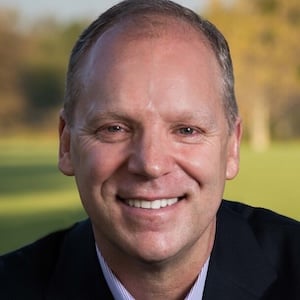
PBS SoCal in Los Angeles has not signed up for Local Public, but CEO Andrew Russell has been following its development. “We’re tracking it closely and standing right there at the door trying to decide when to step in,” he said.
But Russell said he’s hopeful that PBS and Local Public join forces to create a unified streaming platform that combines the national organization’s reach and resources with Local Public’s innovations. “The dream … is that the apps converge,” he said. “That way we don’t have to have multiple apps out there.”
For now, Cascade PBS and Colligan are tight-lipped about some aspects of Local Public’s future. Since its launch, Colligan has discussed the idea that stations could eventually co-own the platform. But details of how that would work are yet to be determined.
“We think we’ve got a lot of good ideas, and we think we got the receipts to show that they’re working,” Colligan said. “We also want to learn and hear from stations about what they need, about any thoughts they’ve got, any opportunities, and we try to move quickly and take advantage of opportunities as they arise.”
Corrections: A previous version of this article incorrectly said that a conversation with WETA’s Jeff Regen convinced Oregon Public Broadcasting’s Lisa Garcia Grace to adopt Local Public. OPB staffers have spoken with people throughout the system about adopting the app. A previous version also included incorrect data about PBS Charlotte fundraising through the PBS app for the current fiscal year. The station was not able to provide data for the period prior to March.