
Report highlights risks to documentary films after rescission of pubmedia funding
Mikhail Davidovich / iStock
A new study from The Center for Media and Social Impact sheds light on challenges facing the documentary film industry following the rescission of federal funding for public media.
Titled “The State of the Documentary Field,” the biennial report has surveyed filmmakers, media educators, producers and executives since 2016. This year, it found growing concern among industry leaders about the rescission’s impact on funding, distribution and free expression among documentary filmmakers.

“Funding from public media sources or from philanthropic sources and grants still remains really the most important ways that these documentaries are produced,” said Caty Borum, a co-author of the report and executive director of CMSI, which is based at American University’s School of Communication in Washington, D.C. (Current is an editorially independent service of the SOC.)
“Any loss of funding from that area is hugely challenging for these documentary storytellers to be able to do that work of interrogating issues around us,” Borum added.
Several industry professionals quoted in the report said that the loss of federal funding will have an outsized impact on documentary film production.
“The gutting of the Corporation for Public Broadcasting is an existential threat to an art form that is largely federally funded, unlike most art forms,” Sonya Childress, founding co-director of Color Congress, said in the report. “And then not only just funding for the production, but then the dismantling of the system by which many of those films get seen by people.”
Public media has long platformed public-interest documentaries, Borum said, with some of the first independent documentary films emerging from an early partnership between PBS and the Ford Foundation.
“The actual model for this kind of work, in many ways, actually germinates from the strength of public broadcasting and the strength of the philanthropic foundations working together,” she said.
That historic foundation created an important pipeline for independent films, Borum said, giving filmmakers philanthropic grants without onerous editorial oversight.
Streaming services now compete with public media in the documentary space and are increasing demand for documentaries that aim for higher entertainment value, such as true crime and celebrity biopics, according to Borum. As a result, filmmakers and entertainment companies are feeling more pressure to commercialize their projects, Borum said.
Always hustling
Filmmakers say they fear reduced funding for public media could have other negative effects as well. Support from a major public media distributor like PBS helps to make projects more attractive to philanthropic funders, said Dawn Porter, an award-winning director and producer of films such as Gideon’s Army and The Sing Sing Chronicles.
“People don’t want to put money into a project that’s not going to be seen anywhere,” Porter said.
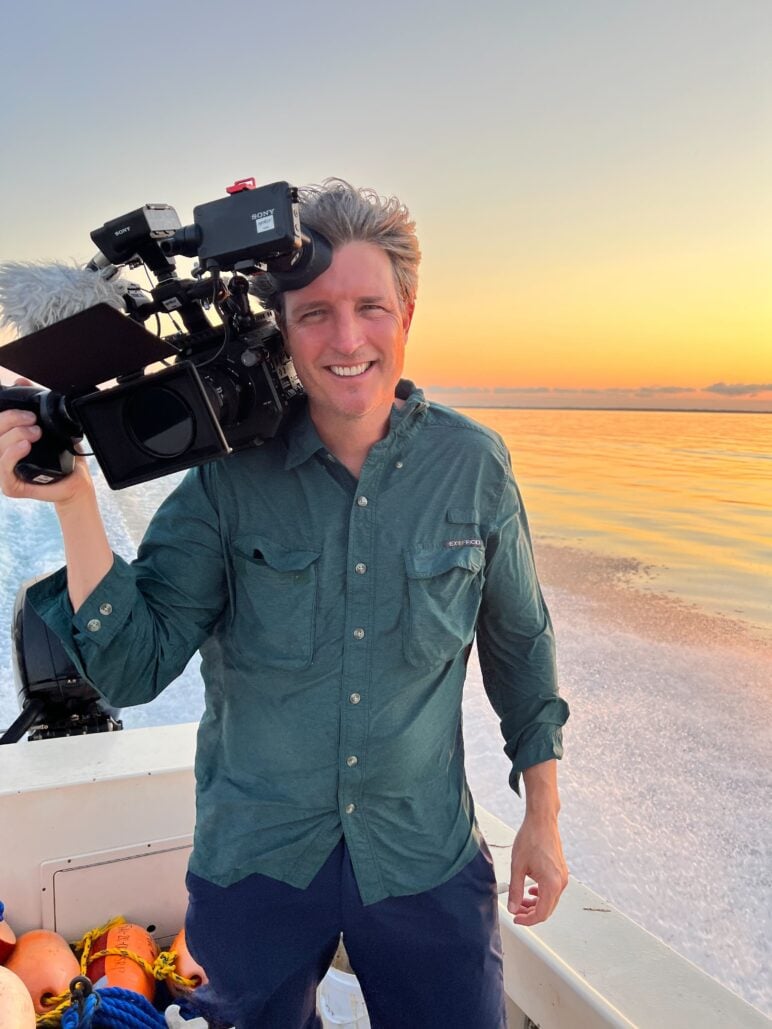
Patrick Greene, founder of Symbio Studios, said public media’s viewership could decline if smaller stations are forced to shut down. WEIU, a small station serving a rural area of Illinois, ended over-the-air broadcasts May 15, citing the rescission of federal funding.
“We don’t get into documentary filmmaking to be rich. We do it because we want to make an impact,” Greene said. “We want to make sure that as many people can see our art or whatever we’re producing as possible.”
Budgets for documentary projects are shrinking across the industry, said Greene, whose current series Made With Love receives distribution and partial funding through PBS. In an effort to offset funding declines, Greene has started offering viewers tours where they can meet artists featured on the show.
“You just got to always be hustling to figure out ways to continue to keep the series going,” Greene said.
Despite the rescission, PBS can continue planning for new programming thanks to an increase in donations from foundations, philanthropies and viewers, said Chief Programming Executive Sylvia Bugg.
“With these resources, we are developing funding plans that meet strategic programming needs, ensuring that there’s multiple pathways to documentary film partnerships with PBS,” Bugg said. “While funding is extremely tight, we remain committed to being an important platform for documentary film and storytelling.”
Fears for the pipeline
The CMSI report also highlighted the importance of public media as a platform for documentaries that explore controversial topics. 71% of the filmmakers surveyed said they increasingly face censorship of their films, with the most pressure coming from governments and commercial media companies. Commercial companies that invest in films often expect editorial involvement, making a thriving public media landscape all the more important for public-service filmmakers.
“Public media has traditionally been the champion of marginalized, controversial topics and [has] addressed them with standards, with truth and with bravery,” Porter said. “You see across the board people understanding that commercial media is not going to broadcast certain films.”
Even before the rescission of federal funds for public media, securing funding and distribution for a film was seldom easy. 24% of filmmakers in the 2016 “State of the Documentary Field” study said their own finances were a main source of funding, while 21% of filmmakers said the same this year.
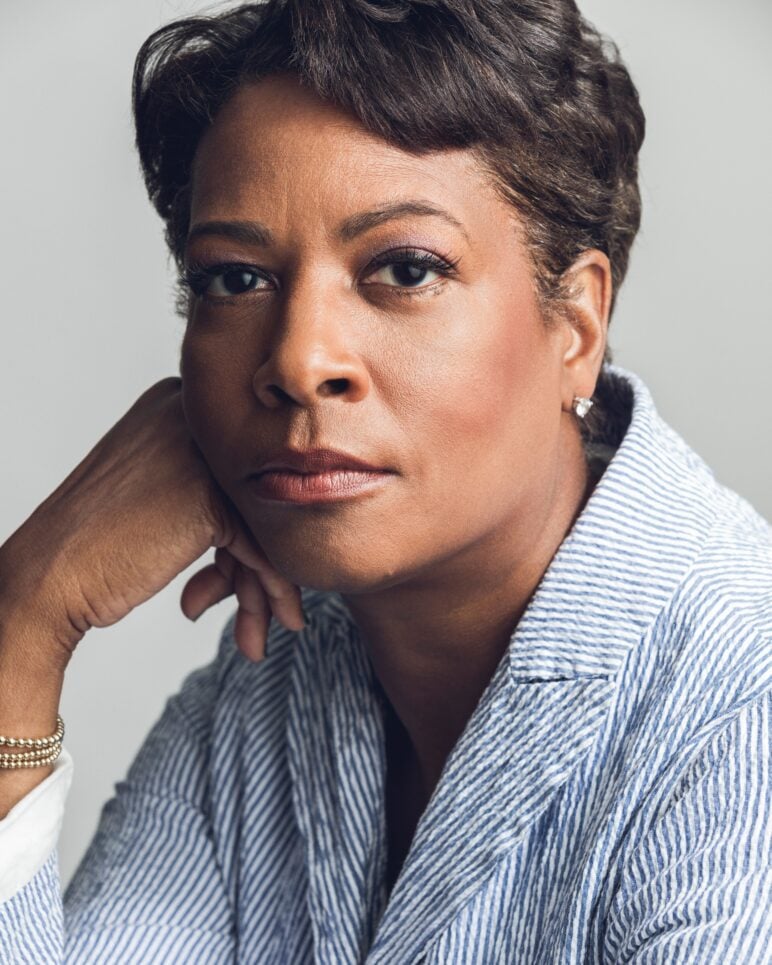
That can give a leg up to international filmmakers in countries with better-funded public media systems, said longtime cinematographer, director and producer Steve Burns. Such filmmakers can license their films in the U.S. after receiving allocations from taxpayer-funded programs in their home countries.
“France, Canada, Australia and all these countries have dedicated amounts that go to their filmmakers. … The U.S. doesn’t have anything like that,” Burns said. “And so filmmakers here have to live by their wits and their wiles and their wonderful ideas.”
But that can be particularly difficult for emerging filmmakers who lack connections to major funders and distributors. Porter said she worries about the future pipeline of experienced filmmakers.
“There are so many filmmakers who are just starting or who have begun already hitting their stride, and they can’t access money to make a project,” she said.
Despite the challenges, Porter said she hopes to see young filmmakers dig deep to create meaningful work, even if it takes longer to make or be seen.
“No perfect solution’s coming,” she said. “It’s going to be messy, it’s going to be hard. But having people give up — that’s not where we should be.”
CMSI expects to release the full “State of the Documentary Field” report later this month.