
‘Mister Rogers’ Neighborhood’ seeks new audiences with YouTube expansion
Lilo Guest
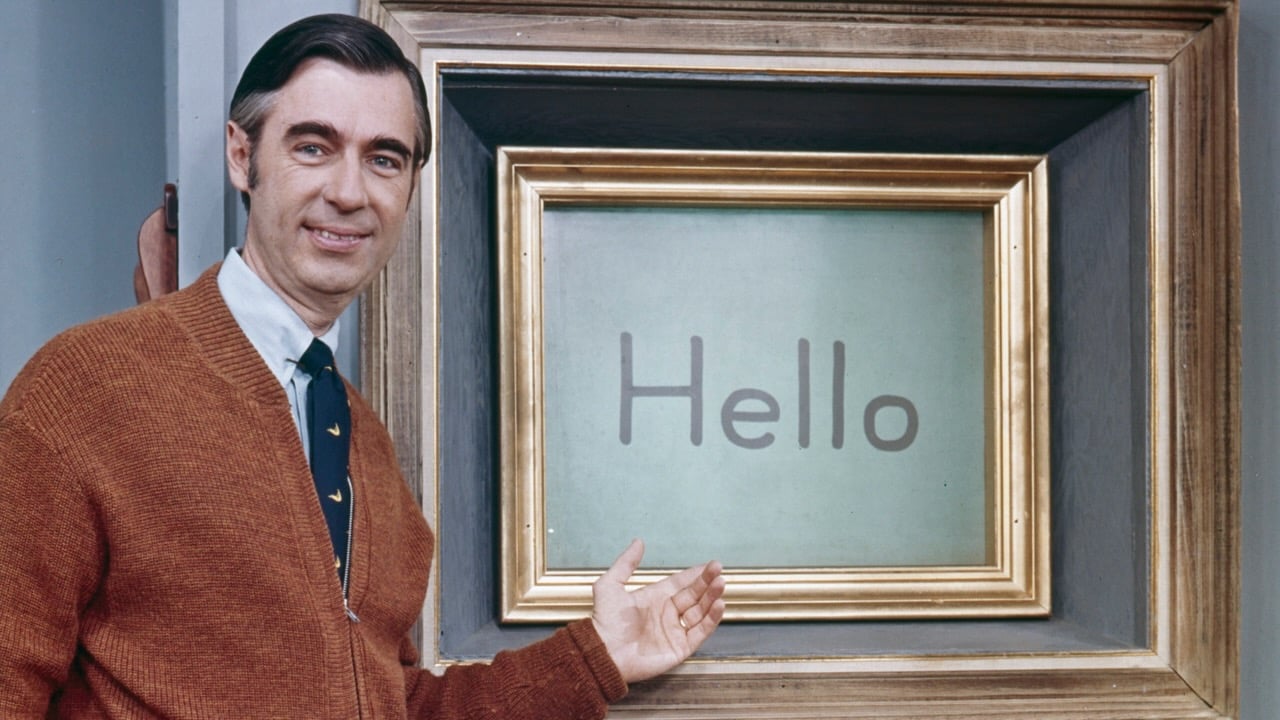
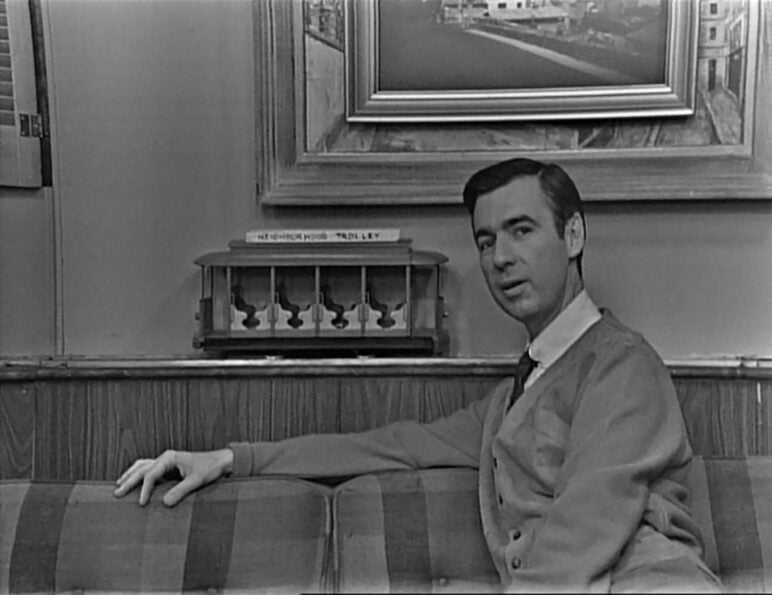
Fred Rogers with Picture Picture.
Mister Rogers’ Neighborhood is finally making its official foray into the world of YouTube.
With the launch of Mister Rogers’ Neighborhood’s YouTube channel June 4, Fred Rogers Productions hopes to both summon nostalgia and woo younger generations who may not have already fallen in love with Rogers and his Neighborhood of Make-Believe.
Though some Mister Rogers’ Neighborhood content has been available on YouTube since the site’s launch in 2005 — both unofficially through bootleg uploads and officially through the PBS Kids channel — Fred Rogers Productions says it never felt compelled to create its own channel. Over 50 episodes of Mister Rogers’ Neighborhood have been available to PBS member stations who want to air them for some time. Select episodes and clips have also been streamable via the PBS Kids app, the Mister Rogers’ Neighborhood channel on Pluto TV, and a PBS Kids subscription on Prime Video.
None of that will change with the launch of the YouTube channel. But Fred Rogers Productions’ Kristin DiQuollo, creative director of the YouTube channel, says the nonprofit felt that in order to keep reaching new audiences and spreading the gospel of Mister Rogers, the digital expansion was necessary. Putting episodes and bits of the show on YouTube will not only help kids and young parents find it but will also increase its overall sharability online.
For the launch, Fred Rogers Productions is partnering with Little Dot Studios, a social media agency and multiplatform production company that will help launch, curate and manage the channel on a day-to-day basis.
“Through the course of our conversations, it’s become very clear to us that they understand what we want to do with the channel,” DiQuollo says. “They honor it, they take it seriously, and they’re very excited to be a part of this mission.”
Expanding reach and searchability
For Fred Rogers Productions CCO Ellen Doherty, branching out into YouTube also feels true to who Fred Rogers was as a creator and innovator. She notes that not only was Rogers a pioneer in children’s broadcasting, he was also a pioneer on the web. According to Doherty, in 1998 or 1999, when the internet was still relatively new, Rogers’ Family Communications provided a grant to PBS Kids to develop and launch a Mister Rogers’ Neighborhood website, a first for the channel. (The launch of the YouTube page was funded in part by grants from The Heinz Endowments and the Templeton Foundation.)
“In both those two big revolutions — television and internet — Fred was like, ‘How can we do this? Let’s figure this out,’” says Doherty. “We’re not interested in being first — staking our claim on something isn’t best practice — but what is important is how we approach this and how we make these ideas, themes, messages and world available to children and families not only in 2026 but beyond.”
Doherty says she’s not worried that the launch of the Mister Rogers’ Neighborhood page will draw people away from finding the show through PBS or the PBS Kids app. Instead, she says, it can only be additive. More places to find Fred Rogers, she says, means more ways to access authentic, earnest content for young and old people alike to enjoy.
“The lessons of Mister Rogers’ Neighborhood are as timeless and relevant today as they were when the show first premiered, and we wanted to look for ways that we could make them easier to find for today’s kids and families,” DiQuollo says. Launching the Mister Rogers’ Neighborhood channel will give the show greater global reach, something it lacks through its existing distribution.
“I have discovered as we gear up for the launch that there are quite a few YouTube reaction videos from international folks responding to Mister Rogers,” DiQuollo says. “I think the Tom Hanks movie [A Beautiful Day in the Neighborhood] helped build awareness for Mister Rogers with international audiences in a way that hadn’t been done before, so hopefully we can build on some of that momentum too.”
Conscious curation
While almost 900 episodes of Mister Rogers’ Neighborhood were filmed — 895, to be precise — the last thing Fred Rogers Productions wants to do is flood its YouTube channel with an overwhelming amount of content at launch.
Instead, DiQuollo says, the show’s page will be thoughtfully curated, with up to 10 new full episodes added to the channel monthly, ideally based on a theme or holiday. The channel will also feature an always-on five-episode livestream, plus themed clips, compilations and vertically framed YouTube Shorts. Full episodes will be shuffled and rotated out monthly, though compilations and shorts will most likely remain.
At launch, the channel features the first episode of Mister Rogers’ Neighborhood, filmed in 1968, plus episodes featuring visits from and interactions with Bill Nye and Koko the gorilla. The channel also features an episode where Rogers visits a crayon factory, plus a compilation video featuring some of the show’s other mesmerizing factory visits, which DiQuollo says have long been a fan favorite.
DiQuollo says future compilations — which will run anywhere from 30 to 120 minutes — might include visits to the Neighborhood of Make-Believe, highlight reels featuring certain beloved characters, tips about managing big feelings, and videos relevant to parents and kids around a holiday or theme. The page’s clips — which are much shorter, mostly under five minutes — will include performances of the show’s songs and visits from iconic musical guests, like cellist Yo-Yo Ma and jazz legend Wynton Marsalis.
“If you look at a month like June,” DiQuollo says, “what’s happening on the calendar? It’s Father’s Day, and this year, it’s the World Cup. So later this month, we’re putting up an episode where Fred’s real-life son and grandson come to visit for a ‘Fathers in Music’ episode, plus a clip of LeVar Burton reading The Daddy Book at Mister Rogers’ house and an episode where Mister Rogers goes to visit a youth soccer team.”
Much of what the team decides to schedule will be based on data gathered over the years from visitors to MisterRogers.org. “Anecdotally, we know what tends to pop off on social media on the Fred Rogers Production accounts, and we always look to those comments to see what people are talking about,” DiQuollo says. Working with a platform like YouTube also gives companies access to a lot of data about who’s watching what, for how long, and how much reach videos have, she added.
Based on what does well in the initial drop, Fred Rogers Productions and Little Dot will be able to hone what they produce and release in subsequent months, refining and optimizing to reach the biggest audience. Suzanne Masri, VP of marketing, communications and engagement at Fred Rogers Productions, says that the company plans to employ both organic social media content and outreach to PBS stations to boost the new channel, as well as a paid media campaign launched on YouTube in tandem with Little Dot Studios, in an effort “to support channel discoverability and growth.”
Fred Rogers Productions also hopes to release content tied to monthly themes in the YouTube Kids app, which could help the channel get shuffled into users’ algorithmic scrolls. “We want to make sure that if the theme is ‘summer reading’ and that’s what’s getting promoted, we’re putting out content featuring reading or literature, like the episode where Mister Rogers visits [children’s author] Eric Carle in his studio,” DiQuollo says.
For YouTube Shorts in particular, DiQuollo says that the Mister Rogers’ Neighborhood channel will focus on what she calls “slowing the scroll,” or delivering a contemplative vertically-framed clip — an affirmation from Rogers about how you’re special, for instance, or footage of balloons being made in a factory visit — that could cause users to pause their incessant swiping.
“We’re hoping the channel can become a destination for unwinding and turning off a lot of the other stuff that might be distracting or too stimulating,” DiQuollo says. “That’s what Mister Rogers’ Neighborhood already is, so we don’t really have to do too much to the show other than to honor what it was and find a way to present it to [YouTube] viewers.”
True to its roots
One of Fred Rogers Productions’ biggest goals for the channel, DiQuollo says, was to stay true to the show’s original format and messaging. That means, for instance, no compilations of filming fails or hyper-fast edits that make it look like Rogers is doing a TikTok dance. Even the editing of the channel’s compilations will be smooth and serene, paying homage to how Rogers always said the show should move from beat to beat.
“While we know there are certain things we could do to be more discoverable on the platform, our goal is not to chase trends around how families or kids might be consuming video,” DiQuollo says. “We are going to be authentic to the spirit of Mister Rogers, and our hope is that that will actually provide us with something completely unique in the world of YouTube.”
Fred Rogers Productions is also choosing not to monetize the channel, meaning users should be able to watch clips and full episodes without any pesky ad breaks. As a YouTube channel officially designated as being “made for kids,” additional protections and privacy methods will also be in place, including turning off comments.
“When I first talked to someone at YouTube to get advice on how we should do this channel, the first question they asked was, ‘Are you interested in monetizing or reach?’” says Doherty. “Our answer was always ‘reach.’ I just want more kids, more families, more grown-ups and more people to be able to watch Mister Rogers’ Neighborhood.”
Correction: An earlier version of this article incorrectly said that Kristin DiQuollo is the creative director of Fred Rogers Productions. She is the creative director of the YouTube channel.