
PBS, ITVS partner on YouTube channel for long-form documentaries
PBS Documentaries
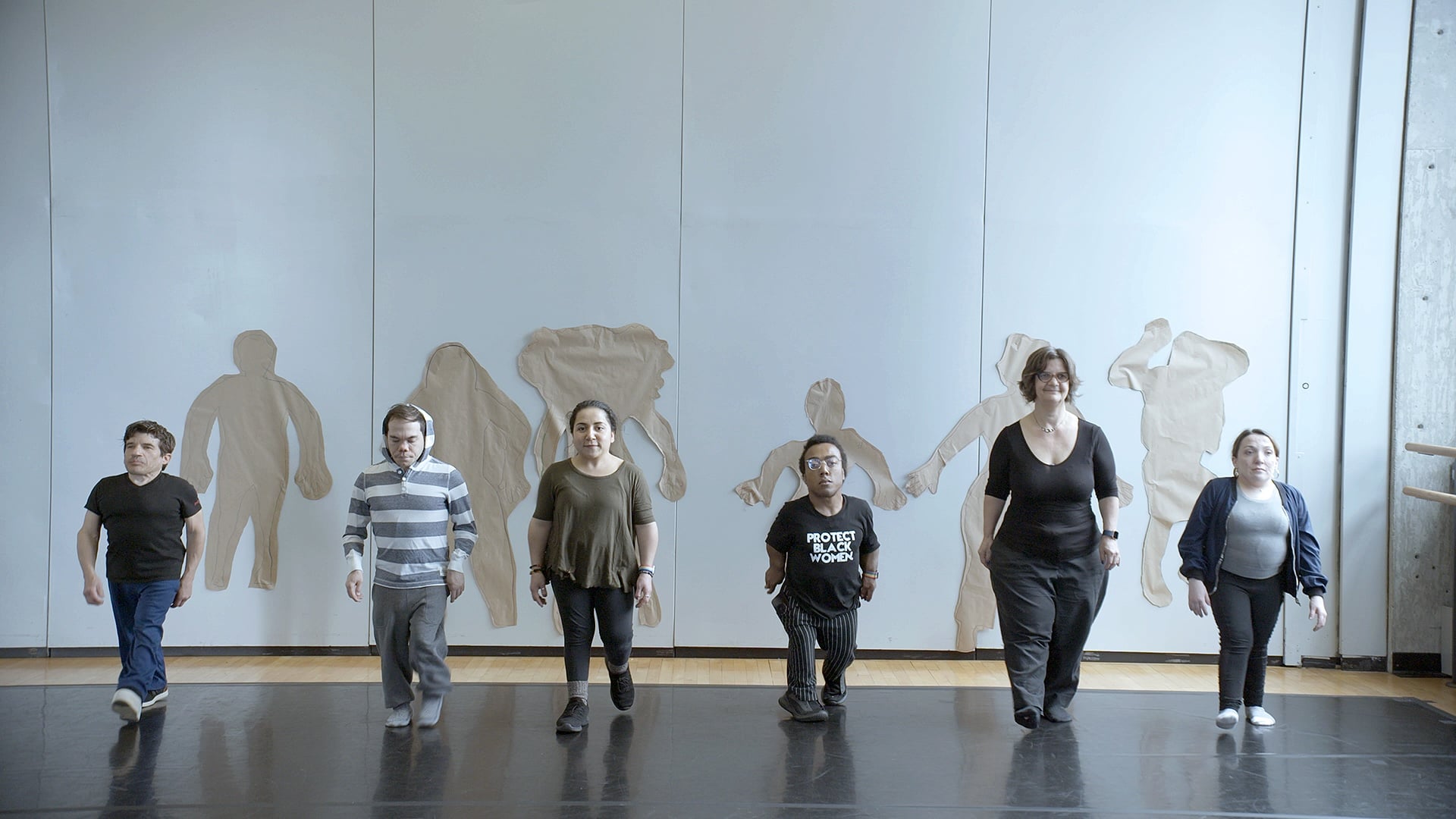
In April, PBS Documentaries will premiere "The Tallest Dwarf," a feature-length film about community building among little people.
PBS is expanding its already sizable YouTube footprint through a partnership with ITVS, the San Francisco–based producer of Independent Lens.
The organizations have jointly launched PBS Documentaries, a new YouTube channel that serves as a hub for long-form documentary filmmaking. The creation of the channel reflects the organizations’ strategy to meet viewers where they are, which in the last few years has increasingly become YouTube.
“We want to build a community and some fandom around documentaries,” said Lisa Tawil, SVP of brand, communications and audience growth for ITVS.
The PBS Documentaries channel is a rebrand of the PBS Voices channel. Voices already has more than 316,000 subscribers and 52 million total views that will carry over to the new channel. While Voices solely featured films and TV episodes under 15 minutes, the rebranded channel will include feature-length documentaries.
A trailer for the launch includes clips from Home Court, a film about one Cambodian American’s hoop dreams, and Dolores, a film about Dolores Huerta and the American labor movements she worked with.
Some of the films are already available on the PBS app and PBS Passport streaming service, but adding them to YouTube parallels previously successful engagement strategies. Frontline has made many of its full-length documentaries available on YouTube, where about half of them have at least 1 million views. In addition, YouTube channels co-created by PBS Digital Studios have also become a valuable tool for reaching younger audiences.
Rebranding the channel idea prompted PBS executives to consider what YouTube users would search for. The name change caters to the simple query “PBS documentaries.”

“While we have always called ourselves the home for documentary storytelling and documentary programming at PBS, this really puts a definitive stake in the ground,” said Maribel Lopez, head of PBSDS.
“It’s coming at a time when the documentary community is facing a lot of significant challenges, and we think this is a natural progression of where we should be going as a system,” she added. “By having this centralized hub for documentary content, it will not only allow us to discover new viewers and tap into a younger audience, but we’ll also over time allow those audiences to get more familiar with everything that PBS and stations … have to offer.”
Learning from success
PBS Digital Studios launched in 2012 in a completely different viewing environment. Now that trends have shifted towards streaming, the old giants are moving with the rest of the herd.
With help from stations and other producing partners, PBSDS has co-created channels and series focused on the 18‒45 demographic, including Sound Field, Monstrum, Deep Look, Eons, Be Smart, Two Cents, PBS Space Time, PBS Terra and Origins. PBSDS has also partnered with Crash Course, the channel co-founded by the authors John and Hank Green.
PBS’s longtime national series also have YouTube presences piggybacking on their broadcast bona fides. The list includes Washington Week with The Atlantic, PBS News Hour, Nova, Nature, Great Performances, American Masters and American Experience. The overarching PBS YouTube page also includes clips from Finding Your Roots and full-length documentaries about book banning.
Lopez said PBSDS and ITVS are interested in building on lessons learned from successful online series. “We’ve had a themed-channel approach for several years now across science, history and food,” she said. “We’re now leaning in and taking those lessons learned from a themed-channel strategy and proven success to curate and develop this channel together.”
Consistency is key, Lopez added. The goal is to attract repeat viewers and whenever possible direct people towards stations, the PBS app and Passport. YouTube is a “discovery funnel,” she said.
Before the rebrand, PBS Voices’ audience was mostly under the age of 44 and in the 25–34 “sweet spot,” Lopez said.
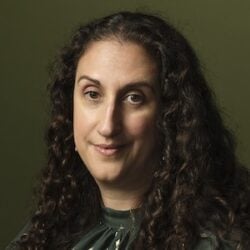
Tawil said Independent Lens reaches a million viewers weekly on broadcast, but only 7% of that audience is under the age of 45. In the last few years, ITVS has made more of its Independent Lens films available on YouTube, where 56% of their audience is under 45.
“We’re reaching an entirely new audience with this content,” she said.
Tawil said the PBS Documentaries channel will include vertical videos for YouTube Shorts, the platform’s TikTok-like section. Some of those videos will come from The Independent Lens Creator Lab, a six-month program that awarded six filmmakers up to $36,000 to produce vertical videos.
Some videos on PBS Documentaries will be ad-supported with “minimal disruptions,” Tawil said. Revenue will go back to supporting filmmakers. In addition, the channel’s team plans to develop content in response to viewer comments and inquiries.
Upcoming releases
The PBS Documentaries channel plans to release more than 100 new videos annually. The projects will be sourced from filmmakers who have produced works for Independent Lens, POV, BBC Studios, Reel South and Voces. It will also include science and history specials created for PBS’s national broadcast schedule, as well as digital-first content from PBSDS.
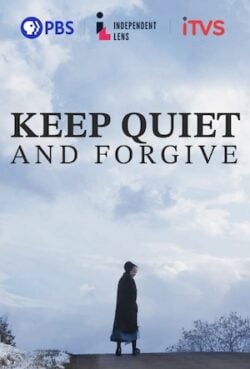
As part of Thursday’s PBS Documentaries launch, the channel will lead with the YouTube premiere of The Inquisitor, an Independent Lens film about former Texas congresswoman Barbara Jordan. Keep Quiet and Forgive, a film about an Amish survivor of childhood sexual assault who ignited a nationwide movement, joins the channel Monday.
Next month, PBS Documentaries will premiere three projects in concert with their broadcast debuts. The two-part series Our New World focuses on nature’s adaptive qualities and how humans can support the environment. The Tallest Dwarf examines community building for little people. And Backside: The Unseen Hands of Horse Racing goes beyond the glamour of the Kentucky Derby to discuss the workers behind the scenes who keep the show going but receive little fanfare.
Films that will appear on YouTube in May include Life on Earth: Attenborough’s Greatest Adventure, a co-produced project from the BBC and PBS that explores how David Attenborough created the groundbreaking Life on Earth docuseries that debuted in 1979. Another is Natchez, a film about a Mississippi town’s antebellum homes with a history of slavery that are now tourist attractions.
Other programs coming to YouTube in the spring include episodes of Native America and POV shorts like Chasing Time and Songs of Black Folk. The hit series Ritual, co-produced by Louisiana Public Broadcasting, will return for a second season.
Success for the channel will not just be about views and subscriber growth, Tawil said, but also, “Can we build community? Can we build trust with our viewers? Will they recognize the editorial standards that differentiate us from the for-profit space?”
“I really think the broader learning is about, what does the creator community look like in the public media ecosystem?” Tawil said. “And how do you continue to own the space of trust when you’re in the YouTube space?”