NPR underscores mission with national advertising campaign
NPR
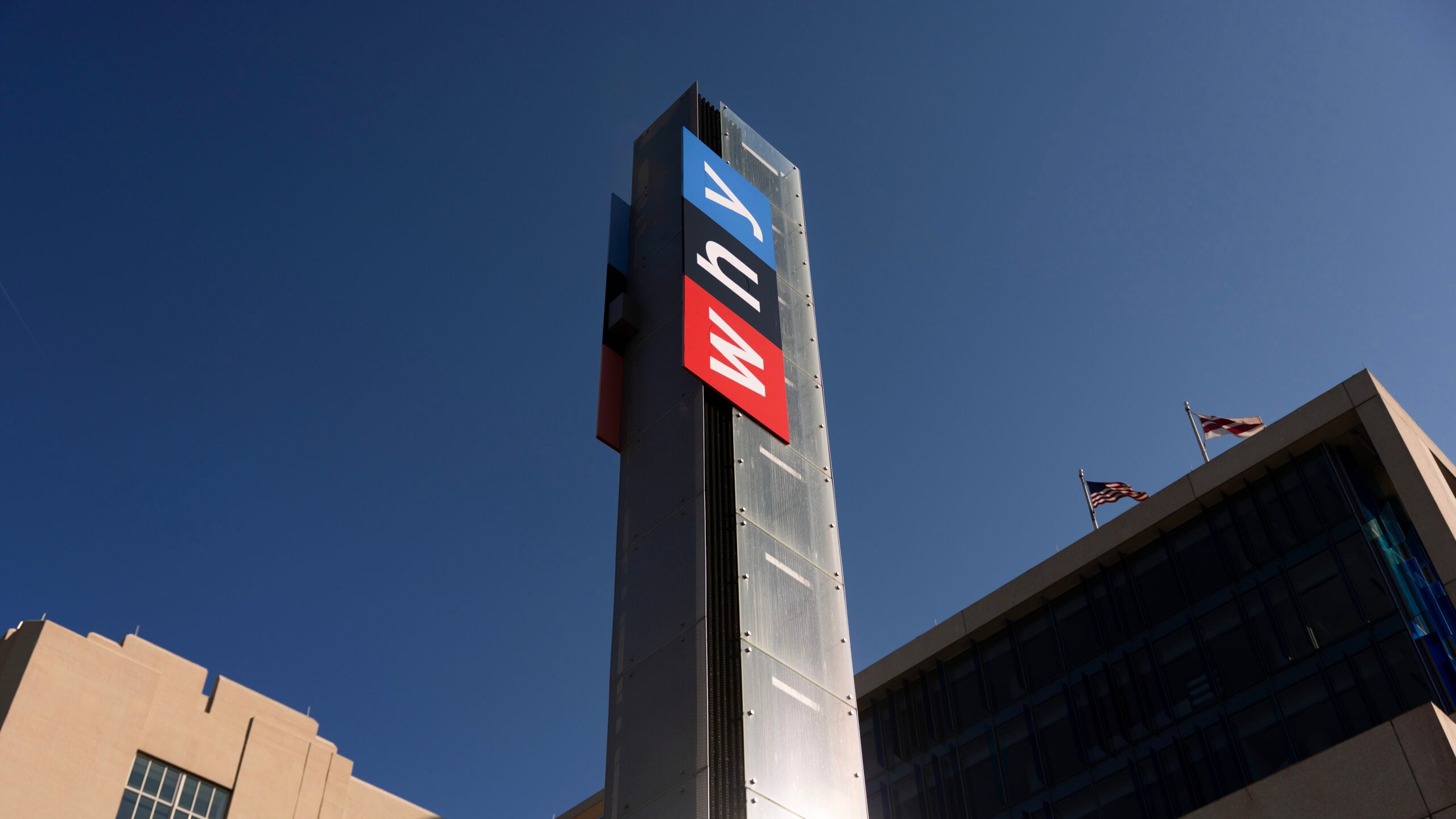
A reimagined version of NPR's iconic logo outside its headquarters in Washington, D.C., is part of the new national advertising campaign.
NPR unveiled a national media campaign last week aimed at both fans and nonlisteners that emphasizes its mission to create a more informed public.
Developed in collaboration with independent advertising agency Mischief @ No Fixed Address, the “For your right to be curious” campaign is a multimedia effort that reimagines NPR’s iconic logo through the lens of three questions: “who,” “how” and “why.”
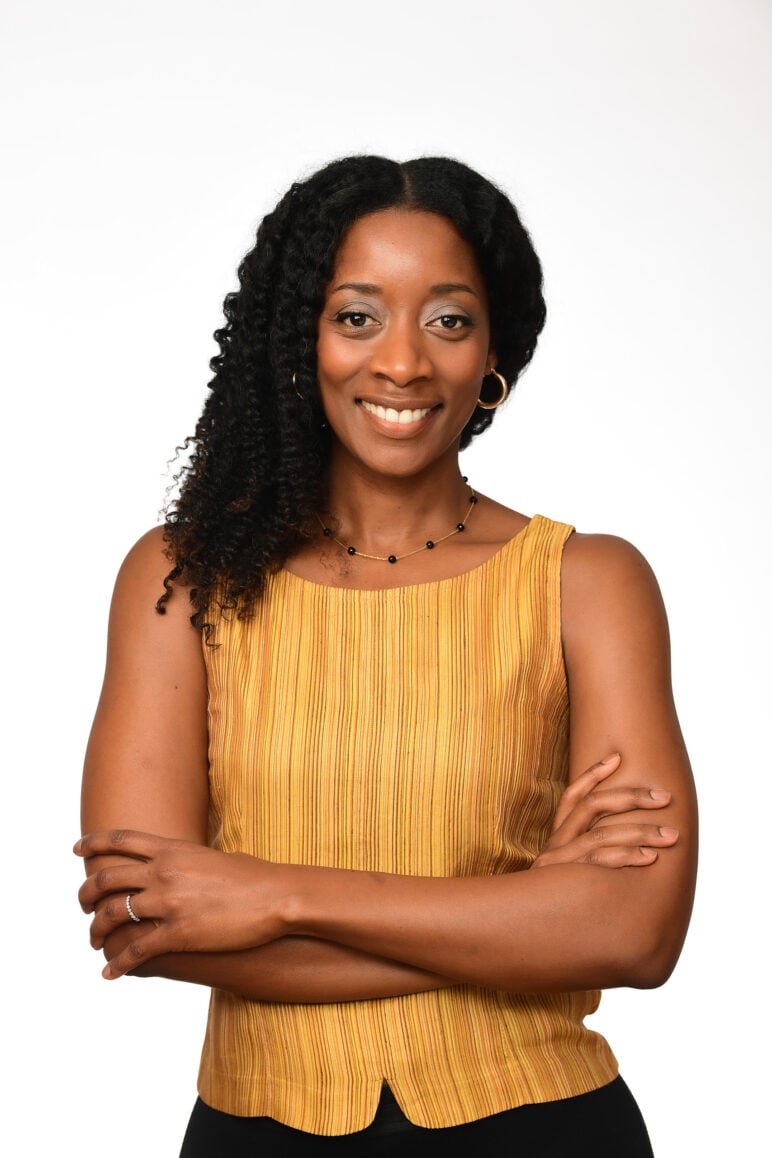
NPR CMO Mishka Pitter-Armand said that at their core, the questions convey the curiosity that drives both the broadcaster and “the democratic process of a functioning democracy.”
“This campaign really underscores the importance of asking questions — big questions, small questions and everything in between,” Pitter-Armand said. “As we think about the landscape affecting public media, we really wanted to remind ourselves that as a civic institution, it’s our role to strengthen our communities, safeguard our democracy and really put those questions front and center.”
To kick off the campaign, NPR swapped the letters in the logo outside its headquarters in Washington, D.C., with “why” and ran a print ad in the New York Times March 2.
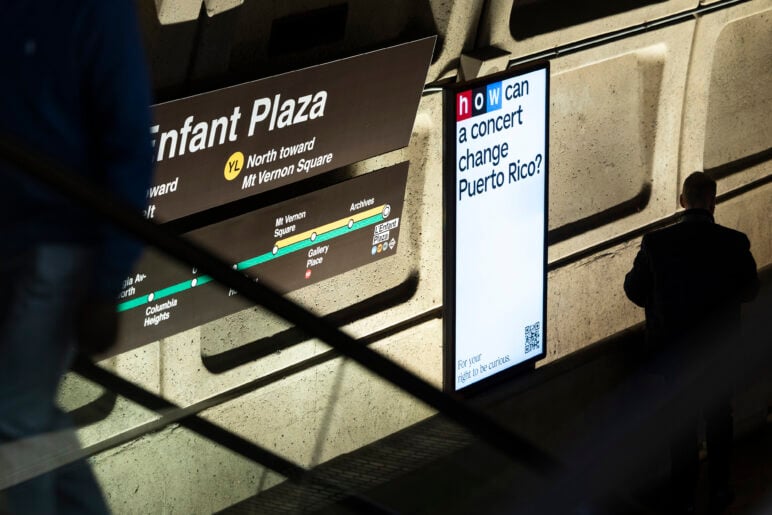
The campaign incorporates interactive advertisements across social media and billboards in Chicago, New York City and D.C. Each uses the three interrogative words in questions affecting people nationwide, such as “Who can afford a starter home?” and “Why was ICE created?” The ads provide links to NPR stories that answer the questions.
Mischief, which has created advertisements for companies such as Tubi and Verizon in the nearly six years since its founding, agreed to help bring the campaign to life on a pro bono basis.
CCO and co-founder Greg Hahn said the agency was “unanimously” passionate about taking on the campaign, especially at a time when public media has lost significant federal funding.
“We have to be very selective about who we work with … but there’s such passion for NPR and such a need for it,” he said. “We wanted to cement its place in culture and make sure that people are aware of how valuable NPR is.”
‘Who,’ ‘how’ and ‘why’
NPR and Michief made initial contact toward the end of last summer about collaborating. They began working on the campaign by the fall, Pitter-Armand said.
The idea to center the campaign on the questions of “who,” “how” and “why” formed as the organizations contemplated the meaning of the NPR brand and what is important to the public.
“It wasn’t about being reactionary. It was really about being declarative,” Pitter-Armand said. “As we thought through literally taking the brand apart and showing people what was inside, that’s really what sparked this idea of these core questions. … These types of questions are paramount to the highest quality journalism there is.”
The campaign draws on real questions from NPR listeners to reflect inquiries from “everyday people … about what’s going on in their communities,” Pitter-Armand said. Many came from “listeners that reached out to one of their favorite podcast hosts, or … we looked at Reddit to see what questions people were asking on the NPR subreddit to get a sense of what was on the minds of the American public,” she said.
She added that NPR and Mischief wanted to investigate the “questions that people were asking and how NPR was able to help them answer those questions.”
The campaign primarily targets “anyone who has access to NPR,” whether they are well acquainted or mostly unaware of the broadcaster, Hahn said. He added that the inclusion of QR codes and links to NPR stories establishes the network’s value to the public.
“You get to see ‘We don’t just answer questions, we have conversations, and we get deep into it,’” Hahn said. “No matter what the topic is, I’m always interested in what they have to say because they just do it in such an interesting, fascinating way, even if it has nothing to do with you.”
Hahn said that with federal public broadcasting cuts and the contemporary news landscape getting “more polarized, crafted and partisan,” now is the perfect time to reestablish NPR’s significance to the public.
“We need an independent voice more than ever,” he said.
As research shows that general awareness of public radio is low, Pitter-Armand said the campaign will hopefully spur people to engage with their local NPR stations.
‘Long-term brand positioning’
The campaign secured free advertising spaces from “passionate media partners who see value in NPR,” Hahn said. Outdoor advertisers Colossal Media, Intersection, JCDecaux and Lamar Media all provided media space. Pitter-Armand said the low-cost and pro bono placement opportunities drove the decision to advertise specifically in Chicago, New York City and Washington, D.C.
“We were extraordinarily lucky to have the vast majority of this campaign’s costs covered through pro bono services and in-kind donations,” Pitter-Armand said. “This campaign would not have been possible without that support.”
Most of the campaign’s components will wrap up by May. Hahn said the campaign’s next phase will focus on video and debut in the coming weeks. Other components include limited-edition merchandise featuring the campaign’s reimagined logos and a series of murals, with one going up in Brooklyn this week, he said.
“It’s not a short-term campaign,” Hahn said. “It’s a long-term brand positioning. It’ll have different evolutions and iterations.”
In the meantime, Pitter-Armand said NPR and its stations are committed to their mission of answering the public’s everyday questions.
“Just as curiosity is a fundamental human attribute, and it’s long-standing, NPR is just as long- standing,” Pitter-Armand said. “NPR isn’t going anywhere. The fundamentals of our journalistic integrity are not changing. The work that NPR and the NPR network do every day … will continue.”