

KAXE receives over $4M to bolster and expand services
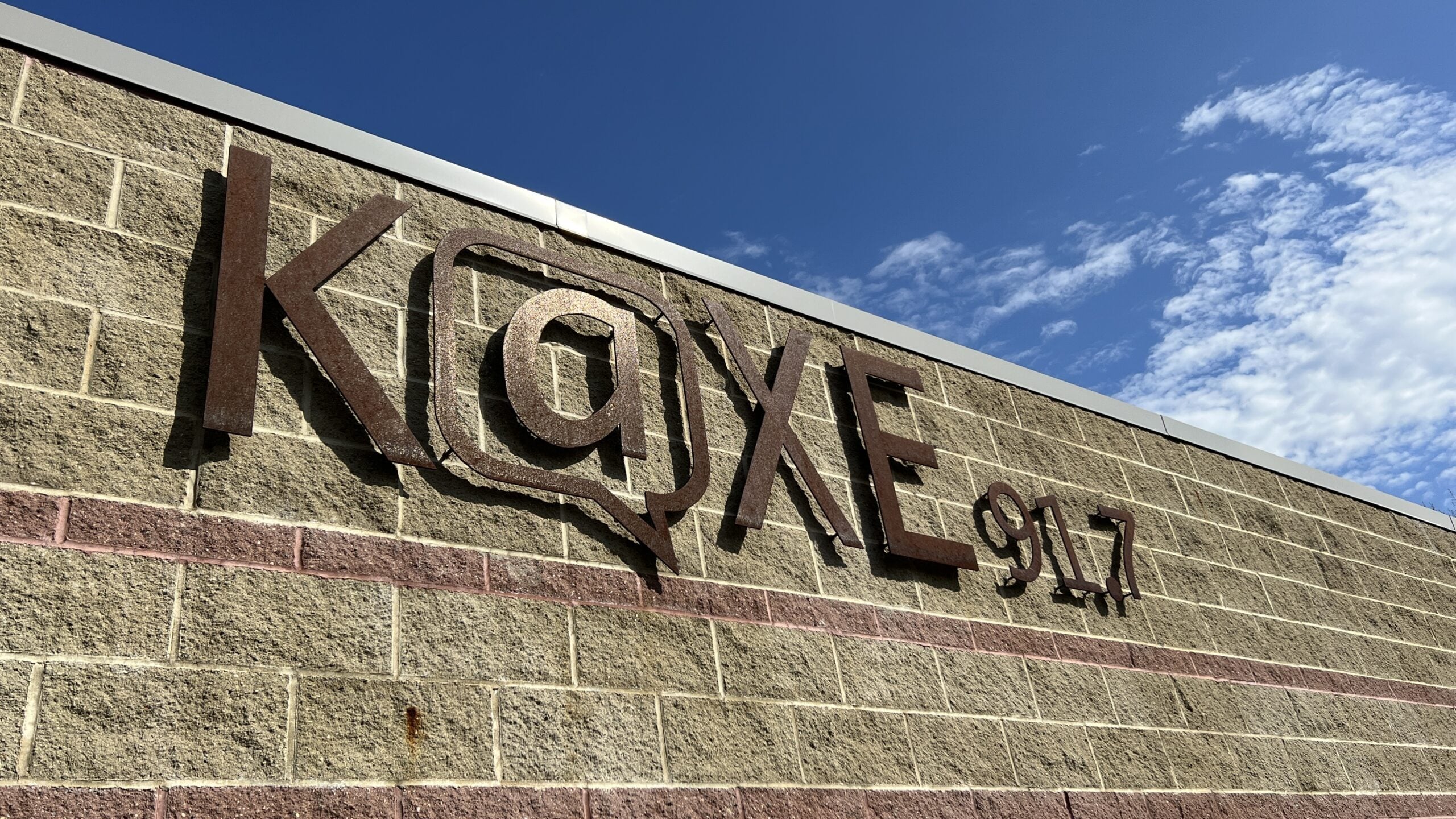
KAXE's building in Grand Rapids, Minn.
KAXE in Northern Minnesota has received a $4.2 million grant to broaden the scope of its newsroom’s coverage and other services across the region.
The five-year grant from the Bush Foundation will support the hiring of new reporters and the creation of a volunteer-driven community reporting program. It will give the station the capacity to relieve some staffers of editorial responsibilities, according to CEO Sarah Bignall, freeing them to foster relationships with local businesses and newsrooms.
Bignall said the grant bolsters the station’s mission to provide audiences with dedicated local coverage in a region that lacks news outlets and original reporting.
“Rural communities deserve reliable reporting and real storytelling about their lives, produced by people who live and work in the places they cover,” Bignall said in a press release. “This grant, along with the incredible support of our listeners, allows us to continue that work with confidence.”
‘Relying on community’
KAXE will use the grant to add a reporter who will cover the eastern part of its broadcast area, including the Iron Range and local and tribal communities with little to no access to local coverage, Bignall said. The newsroom currently consists of a news director and two full-time reporters. The station will also look to bring on another reporter next year.

The grant will also support the launch of a Community Ambassador Program, which will train volunteers across the region to attend meetings of city councils, county boards and school boards and provide leads to KAXE’s newsroom, Bignall said.
The station had long aspired to create such a program of the sort, but it became possible with the grant and the establishment of KAXE’s newsroom in recent years, Bignall said. It was inspired by Minneapolis Documenters, a program created by the social-services organization Pillsbury United Communities.
The station will initiate the program within the nearby town of Deer River, where a local newspaper shut down and left residents without “a way of getting information,” Bignall said. KAXE hopes the program will be replicable in other communities, she said.
“People, anywhere from the local government to businesses to the school district, …have really embraced this project and are really helping us kind of get that up off the ground,” she said.
The program will initially focus on teaching community members how to gather information, Bignall said. Ideally, however, Bignall said she would eventually like to pay some of the community members to produce stories on contract.
KAXE wants to ensure that the volunteer contributions meet “the quality and standard of the work that we’re doing” and knows “a longer kind of educational process” may be needed, Bignall said.
The added support in the newsroom will give KAXE’s news director more freedom to facilitate connections with local newsrooms and nonprofits, she said.
“We don’t want to start parachuting into communities that we don’t live in,” Bignall said. “That’s not the solution for things, and so that’s really why we’re relying on community folks to be able to either help tell the stories themselves or point us in the direction of the people that we want to connect with.”
Building a newsroom
KAXE launched its newsroom with backing from foundations three and a half years ago to combat a “huge, growing news desert” in Northern Minnesota following the pandemic, Bignall said.
The station reached out to the Bush Foundation in late 2024 to discuss prospects for creating the community reporting program and expanding coverage in other ways. Bignall said the foundation saw value in both the station’s coverage and its commitment to supporting local musicians and artists with its music programming. The station’s work and ambitions aligned with the foundation’s commitment to building bridges and supporting communities, she said.
Bignall hopes the station’s expanded service will lead to more support from philanthropies and local businesses. She said that five years from now, the station will have successfully utilized the Bush Foundation grant if it can sustain and continue to expand services.
By the end of the grant period, the station aims to staff around seven reporters and introduce newscasts and newsletters focused on the eastern and western parts of its coverage area, Bignall said.
Support from the University of Minnesota and Report for America has allowed the station to bring on an intern and a temporary reporter in the immediate term, she said.
Last year’s rescission of federal funding for public broadcasting eliminated over 12% of KAXE’s budget — roughly $200,000 annually. Bignall said that strong support from both the community and organizations like the Bush Foundation has allowed the station to continue expanding while other small stations have been forced to cut back.
The station is a prime example of the potential public media organizations have to do impactful work in their communities with investment from funders, she said.
“We put in the work to be able to build this out, and we’re really grateful to the foundations that have stepped up to really help support and boost us up,” Bignall said.