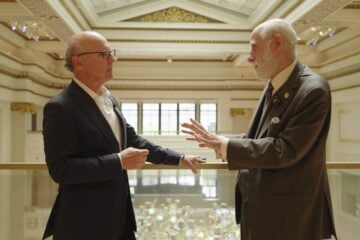

New LPB travel show aims to showcase all of Louisiana
LPB
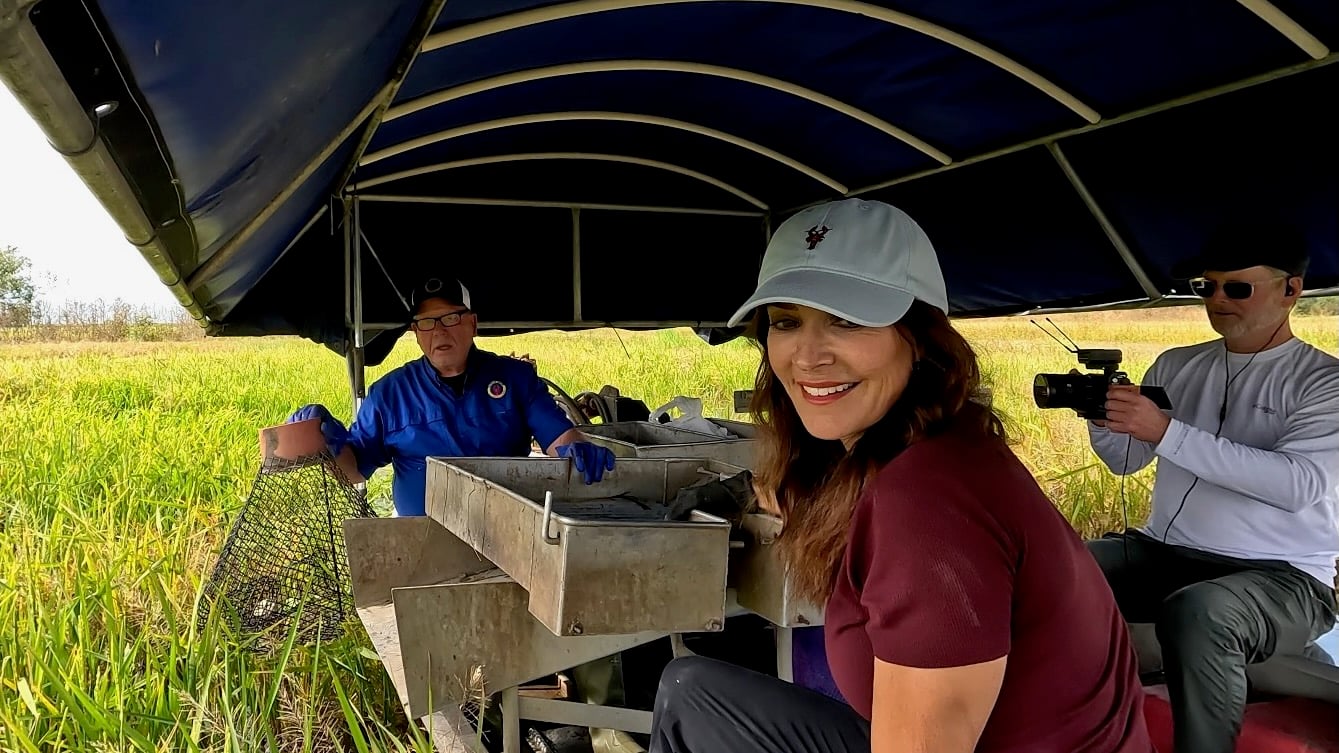
"LA64" host Karen LeBlanc and producer Ryan Hamilton get a tour of a crawfish farm in Kaplan, La., from owner Barry Toups in November 2025.
Award-winning travel journalist Karen LeBlanc was returning from a press trip when she was struck with the idea for LA64, the new Louisiana Public Broadcasting travel show that will see her visit all of the state’s 64 parishes over five years.
“I would go to Cuba, Morocco, Iceland or Spain. I’d be shining a light on all these cultural bearers and traditions, these incredible small towns and main streets. And I just thought, ‘I should be doing this for my state,’” says LeBlanc, a native of Baton Rouge and an alumna of Louisiana State University. She worked across the country as a host and journalist before returning to Louisiana and LPB as an anchor and reporter in June 2023.
The first episode of LA64 — which focuses on one parish each episode — premiered Feb. 2 on LPB, with another 11 episodes airing through May. Episodes are also available to stream on the PBS app and on LPB’s website and YouTube channel.
In each episode, LeBlanc explores the stories, cultures and traditions of one of Louisiana’s 64 parishes. She’s eager to show that there’s much more to Louisiana than just New Orleans, even going as far as calling it the country’s most fascinating state.
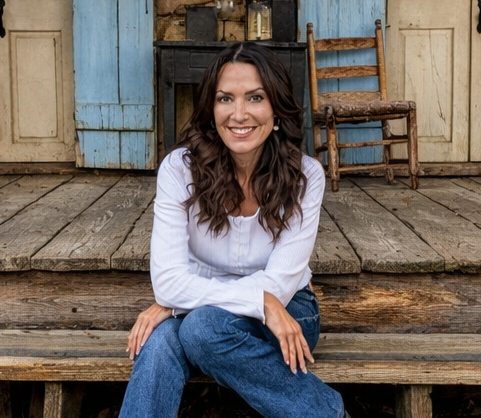
“There’s nothing like us anywhere else. We have Cajun, Creole, French, Spanish, African, Caribbean [culture], while our Indigenous culture always gets overlooked in tourism, but it is so rich and fascinating,” LeBlanc says. She believes Louisiana’s unique and varied history gives LA64 more “national appeal than probably any other state-focused travel show.”
LPB CEO Clarence C.C. Copeland says he immediately recognized that LA64 had the potential to celebrate the rich history and seldom-heard stories of all of Louisiana’s 64 parishes. That’s why he and LeBlanc decided that each parish deserved its own episode of LA64, particularly as LPB just celebrated its 50th anniversary in September 2025.
“You can’t just cover 64 parishes in one year,” Copeland says. “You have to give each of them respect and make it high-quality programming, which LPB is known for.”
For Linda Midgett, an LPB EP who worked on LA64, Louisiana history reflects American history because so many immigrants entered the country through the Port of New Orleans. “Whether they were brought here against their will, or if they chose to immigrate here, they shaped the areas that we now live in,” Midgett says.
A castle in Louisiana?
In the first episode of LA64, LeBlanc explored Vermillion Parish, which the parish’s tourist commission calls “the most Cajun place on Earth.” She also showcased towns like Abbeville, Erath and Delcambre, collectively known as the Cajun Corridor.
While in Abbeville, LeBlanc took part in the city’s annual Giant Omelette Celebration, where residents cook an omelet using over 5,000 eggs and a 12-foot skillet. She also saw local swamp pop bands, a musical genre native to the town that mixes Cajun, soul and early rock ‘n’ roll.
Over the following three weeks, LeBlanc trekked to Sabine, Jefferson and St. Landry parishes. While visiting the latter, she explored the town of Washington, which is packed with 18th- and 19th-century architecture and proudly displays its past as a steamboat port.
Even higher-ups at LPB have been surprised by LeBlanc’s discoveries in LA64. “Who knew there was a castle in Louisiana?” says Copeland in reference to Fisherman’s Castle, which sits between New Orleans and Slidell.
Despite the ambition and scale of LA64, only two people film it. Joining LeBlanc is Ryan Hamilton, a filmmaker and director of photography who worked with her for several years on The Design Tour, an international travel show.
“A show like this is typically made with a staff of around 10,” LeBlanc says. “There’s usually a second camera off getting footage, a producer, writer, script supervisor and hair and makeup.”
Hamilton is using everything from GoPros and drones to get footage, while LeBlanc is researching, writing scripts, scouting locations, hosting and supervising postproduction.
“It’s a heavy lift for both of us,” she says. “But we have a nice rhythm and workflow and know how to do this.”
LeBlanc stepped back from her anchor duties in October, then filmed LA64 through November. She and Hamilton took December off because towns were decorated for Christmas, then were back on the road January through March. “We spend a week in each parish, filming sunup to sundown,” LeBlanc says.
Ahead of her arrival, LeBlanc asks tourism agencies for tips about locations and under-the-radar experiences. Once on the ground, she quizzes locals for suggestions as well.
The displays of civic pride LeBlanc has encountered left an impression. “When I come into a parish, it’s like the whole community rallies together,” LeBlanc says. The town of Franklin in St. Mary Parish even organized a concert for her and Hamilton in March headlined by American Idol finalist and Louisiana native Laine Hardy.
Attracting new audiences
To fund LA64, LPB reached out to Louisiana Lieut. Gov. Billy Nungesser, whose office routes state funds to parks, museums, tourism and other cultural initiatives. “Tourism is his main focus for the state, as is bringing outsiders in,” Copeland says. “He saw that they could use LA64 as a marketing tool for tourism.”
Nungesser’s office funded LA64’s first season. LPB also secured funding from partners including local tourism commissions, the Northwestern State University of Louisiana and the Foundation for Excellence in Louisiana Public Broadcasting.
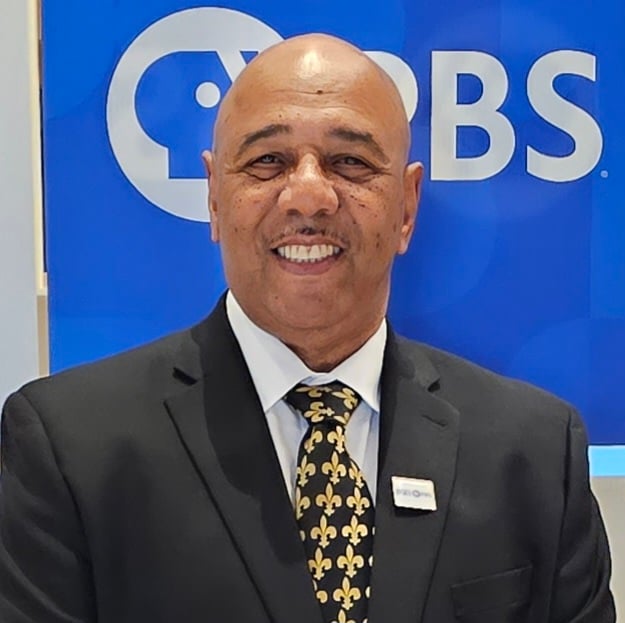
Response to LA64’s opening four episodes was strong enough that Copeland and LeBlanc hope they’ll continue to get funding for follow-up seasons. “We are looking forward to reaching out to other state agencies with hopes of additional funding,” Copeland says.
LA64 generated the most donations among all shows during LPB’s pledge drive in early March. Viewers are always “dying to see local content,” Copeland says.
“When you have a local show in your pledge lineup, it’s always a key factor, especially when it has local talent, places and people that viewers are familiar with,” he says.
The show has also attracted new viewers, particularly Louisiana residents. People have been reaching out to LeBlanc to tell her that even though they usually don’t watch LPB, they’ve been watching LA64 because it explores communities the station hasn’t covered before. “We’re bringing in a whole new audience,” LeBlanc says.
On YouTube, LA64’s episode on Sabine Parish has reached 8,900 viewers, and other episodes have attracted at least 3,500 viewers. LPB’s YouTube content usually gets just hundreds of views.
LPB is finding other ways to get the show in front of audiences. It has added edited episodes to the PBS LearningMedia website so that teachers across the state can incorporate them into history classes. Episodes have been segmented into clips focusing on themes such as culture, history and geography. “Our goal is to always have educational-based content that supports our local productions,” says Jason Viso, LPB’s director of programming, promotion and digital strategy.
Meanwhile, Alabama Public Television, Arkansas TV and Mississippi Public Broadcasting have agreed to carry the show. They’re waiting for all 12 episodes of season one to air on LPB before broadcasting LA64 themselves. With LA64’s attractions not far from the other states, Copeland says he hopes the show inspires viewers to visit Louisiana.
Copeland and his fellow network leaders have identified further crossover appeal among their content. LPB previously aired Mississippi Roads, an MPB show about the state’s unique travel destinations. LPB also plans to offer LA64 to American Public Television with the hope of getting it picked up for national syndication.
With filming on season one complete and the final episodes in postproduction, LeBlanc is hopeful the show’s team will be able to produce season two at a more leisurely pace. LPB has yet to secure funding for a second season, but the team is hopeful that the state will again provide support. Nungesser praised the show at a recent screening, and tourism officials have said they’re thrilled to use it for marketing.
“It’s very important to sustain and promote these small towns. They are dying. They don’t have the marketing budget to get the word out. That’s where a show like this really helps,” LeBlanc says. “There is a strong appetite for authenticity, handmade goods and products, and regional food. People are tired of the commercialized and commodified experiences.”
LeBlanc also sees LA64 as a way to preserve the parishes’ histories and heritage, creating a lasting resource about the state’s traditions and cultures. “All this ancestral knowledge that gets passed down, if we don’t shine a light on it and incentivize people to support and sustain it, it’s going to be lost to history.”