

WNYC and Gothamist refresh local news podcast with new format
Christopher Werth / WNYC
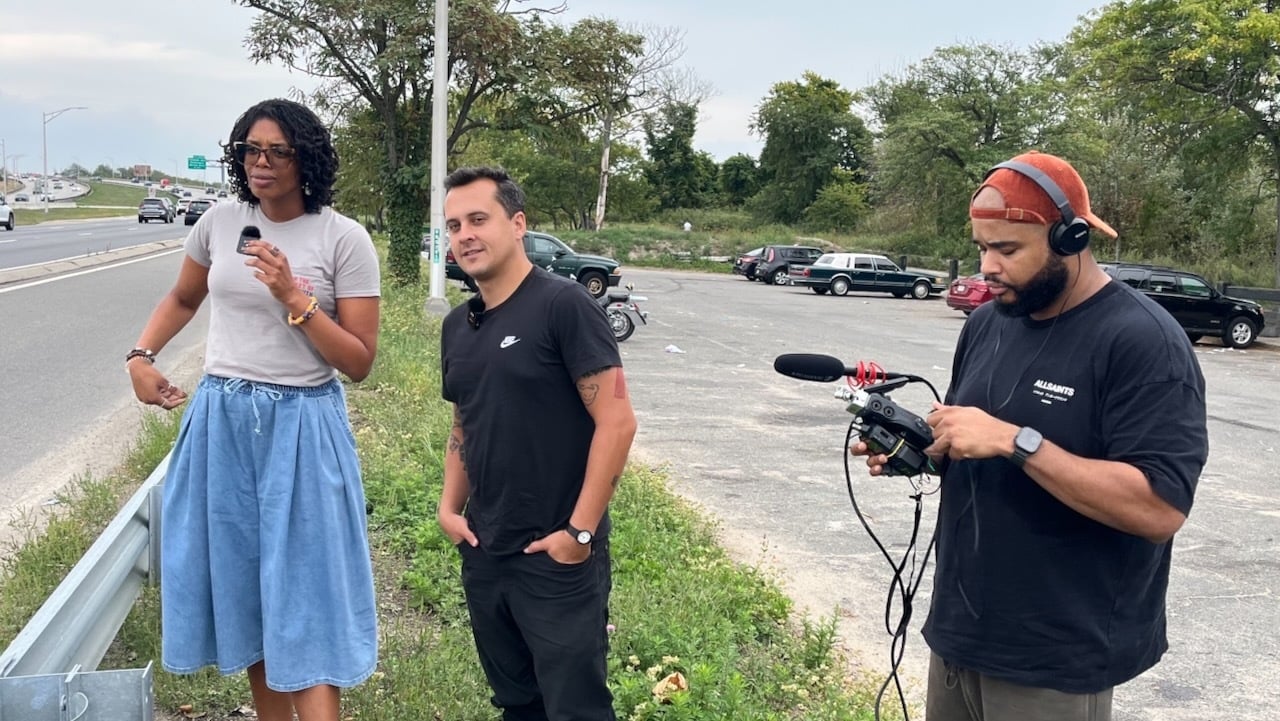
“NYC Now” host Janae Pierre, WNYC/Gothamist reporter Liam Quigley and Senior Producer Jared Marcelle report on location for Quigley’s recent investigation into New York City's growing presence of illegal tow trucks.
WNYC and Gothamist have revised the format of their popular local news podcast, introducing a new schedule and greater emphasis on in-depth stories and investigations.
The podcast, NYC Now, has transitioned from releasing over 15 episodes a week to just three, each centered on thorough stories and investigations into matters affecting the city’s residents.
At its core, the podcast’s main objective — and tagline — is “making sense of the city for New Yorkers,” said Senior Producer Jared Marcelle. He said the podcast’s new format better equips it to achieve that goal by giving its team more space to contextualize and dissect subjects, regularly providing listeners with a comprehensive analysis of how each story affects them.
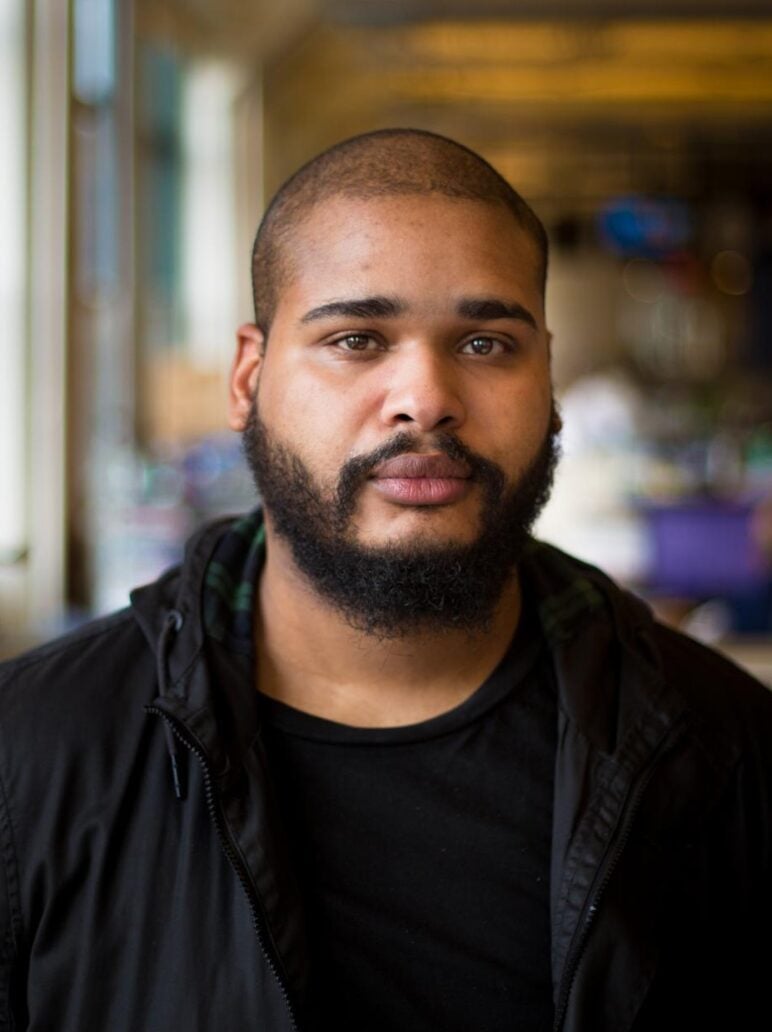
“It takes something that has been going on that you may not have been paying super close attention to … and says, ‘Hey, we can make sense of that,’” Marcelle said. “We have the opportunity to let a story develop and then cover it in its entirety and explain it.”
WNYC and Gothamist Interim Editor-in-Chief Stephanie Clary said a huge facet of the show’s new format is its more host-driven structure. She said that increasing the focus on host Janae Pierre gives audiences a proxy between them and the stories being covered.
“Janae really takes the lens of, ‘What does this mean for New Yorkers?’” Clary said. “Now Janae can really be an anchor for the listener. … She has trust across the newsroom, and it draws out our reporters and editors in a different way than you would get on a screen through Gothamist or in our tighter time that we have on air.”
Clary said across WNYC and Gothamist’s newsroom, the podcast’s refreshed structure has “opened up a door for our reporters to think about the way their stories could be told.”
“It’s allowing us to tell stories in so many different ways,” Clary said. “Now there’s a way to put some more effort into stories that we have strong tape for, that we have a good story to tell, that we have strong interviews for. I think that’s been really exciting for the newsroom.”
‘A longer shelf life’
WNYC initially launched NYC Now in 2023 with the intention of ensuring locals who couldn’t listen to the station’s broadcast or livestream could continue to access the organization’s top daily headlines on demand in audio form, Clary said.
The station released three- to 10-minute-long episodes of the podcast three times a day, five days a week, later introducing longer, special in-depth episodes released on Saturdays and episodes centered solely on unpacking specific topics, such as the 2024 indictment of former New York City mayor Eric Adams.
Pierre said the five-part series about Adams’ indictment last year made clear that “there was a need for us to do deeper work, deeper episodes and have deeper conversations with various reporters in the WNYC newsroom.”
For months, Clary said growth for the podcast’s regular episodes had virtually flatlined, excluding coverage of major breaking news events.
However, the podcast continued to see upticks in downloads and listenership for its special episodes and investigations, prompting the station to reevaluate which content most resonated with listeners.

“More often than not, [those episodes] would also just generally increase the floor of our listenership and downloads,” Clary said. “What that was telling us is that it was those more bespoke … ‘special’ episodes that were attracting new listeners.”
In addition to tackling specific subjects in-depth, Clary said, the special and investigative episodes were often more host-driven. She said that positioning Pierre front and center of the show made the product sound “more like a podcast.”
Drawing from these findings, WNYC decided to experiment with a new format. The station produced various investigative episodes and began releasing them three times a week without an official announcement, starting Jan. 12.
Clary said that although overall downloads for NYC Now declined due to fewer episodes released each week, downloads for individual episodes grew.
“Our seven-day, 14-day and 30-day download averages grew by 17% to 18% when we started making those changes,” Clary said. “It was notable.”
Following the success of the new format’s soft launch, WNYC officially announced the change Feb. 12.
The new sound
As part of NYC Now’s reintroduction, the station releases new episodes every Monday, Wednesday and Friday. Episodes with the new format typically vary from 15 to 25 minutes, Clary said.
With fewer episodes released each week, Marcelle said, audiences will notice an increase in production value, such as sound design, for each week’s episodes.
For Clary, one of the most significant shifts in the podcast’s new format is the greater emphasis on Pierre, giving the host more room to build a relationship with audiences. Clary said the more host-driven structure makes it easier for audiences to build a sense of companionship with Pierre.
“I think audio is such an intimate medium,” Clary said. “My hope is that our audience listens to Janae and really trusts her to have their best interest as a New Yorker while she’s talking to folks about these issues that matter to them.”
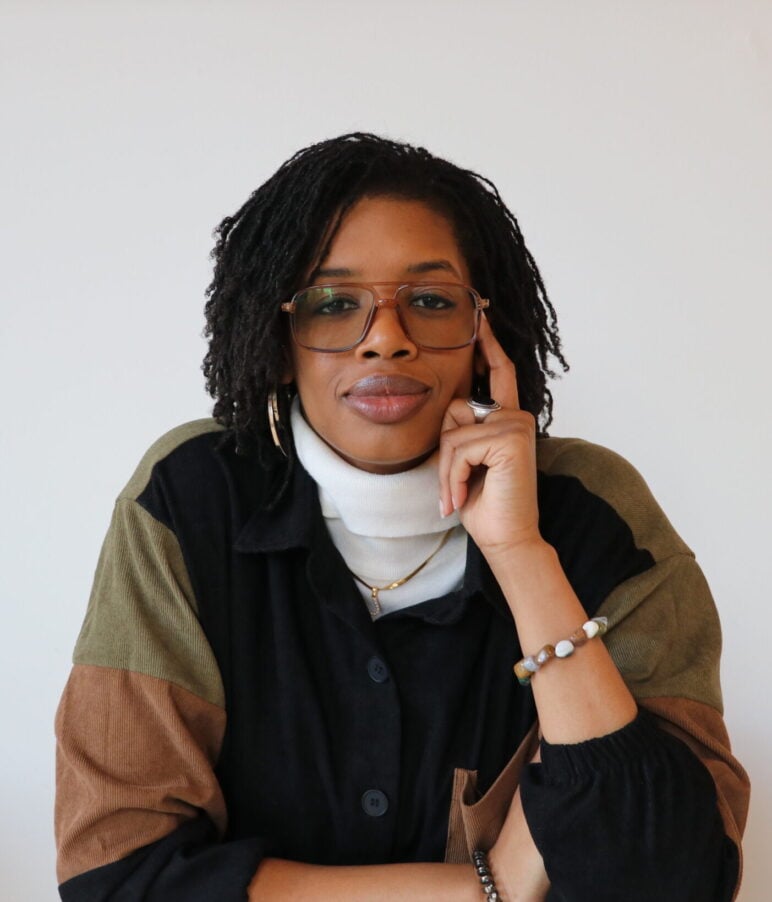
Pierre said one of the most significant aspects of her role within the new format is engaging in on-the-ground reporting herself.
“It’s also me out in the field instead of just saying, at the studio, in the office, talking to reporters,” Pierre said. “I am, as my producers like to say, ‘touching grass’ and going out to talk to the people because this is indeed a podcast for New Yorkers … and part of that is talking to them and getting their perspectives on the issues that are impacting them directly.”
Despite the podcast’s shift in focus to in-depth pieces and investigative reports, the new format continues to dedicate the first one to two minutes of each episode to quick local news updates. Clary said the station wanted to ensure fans of the former format continued to have access to need-to-know updates on the city’s happenings.
“The thing you weigh when you’re making a change to programming is, ‘How do I evolve but not leave behind my loyal listeners?’” Clary said. “We quickly talked and decided … Janae can do check-ins on big ongoing stories at the top of an episode before going deeper. And it doesn’t have to sound like the traditional Morning Edition or All Things Considered newscast; it can sound like Janae.”
Moving forward, Pierre said she sees the podcast expanding “beyond just what we’re doing now” and into video, as “that’s the way of the podcast lane these days.” Clary said the team is experimenting with taping the more interview-based episodes of the show and that longer-form video versions of investigations are a goal down the line.
Innovation is part of keeping up with an ever-evolving news landscape, Marcelle said.
“We want to meet the people where they are, where they consume the news,” said Marcelle. “We’re going to change with the times in order to do that.”
Though some listeners were confused about the format switch, Pierre said much of the audience has adapted to — and embraced — the new format.
“This new iteration of the podcast is certainly resonating with the audience, and we’re gaining listeners as well,” Pierre said.
Being a lifelong New Yorker, Marcelle said he’s well acquainted with the constant pressure of living in the city. He said he hopes the refreshed format continues to meet new audiences and familiarize them with the issues that impact their lives.
“There’s a hustle that comes with living here, and you have to stay on your toes,” Marcelle said. “We feel that pressure sometimes, working in a fast news environment, but we take it seriously and we are going to continue to innovate.”







Hope it doesn’t divert resources from the Gothamist text reporting.