
Judge directs CPB to set aside $36M in interconnection funding until trial ends
Dru Sefton / Current
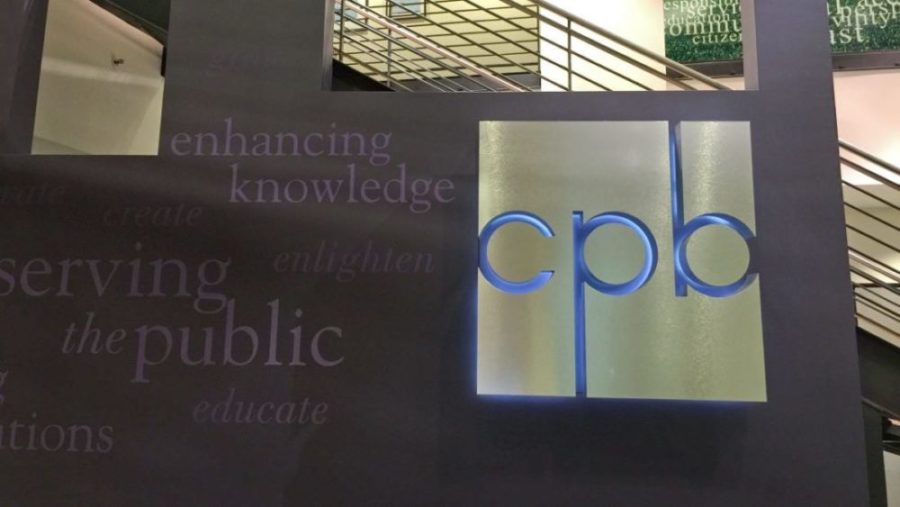
A federal judge has directed CPB to set aside $36 million in interconnection money until the conclusion of a December trial in the lawsuit brought by NPR.
District Judge Randolph D. Moss ordered a bench trial for Dec. 1 in the legal fight involving up to $36 million that CPB’s board had authorized for negotiations with NPR over an extension of its interconnection agreement.
Moss also directed CPB Thursday not to “encumber” the money in any way, including by “executing any contract that would speak to how those funds might be used, with respect to any entity, individual, organization, or association other than NPR or NPR Distribution pending resolution of this matter.”
NPR is challenging CPB’s decision to award interconnection funding to a new nonprofit, Public Media Infrastructure. The decision, announced in September, would provide $57.9 million to PMI over five years for public radio content distribution. NPR, which has managed distribution through the Public Radio Satellite System since 1979, is arguing in court that the change violates the First Amendment.
NPR provided a statement from their attorney in the case, Theodore Boutrous, to Current Thursday evening.
“We are pleased that the district court directed that CPB preserve the funds at issue while the case proceeds, and we look forward to the trial in December,” Boutrous said.
CPB CEO Patricia Harrison said in a news release Friday evening that the corporation is complying with the judge’s instruction to reserve $36 million but that Moss did not freeze all remaining interconnection funding. She said the order enables CPB to complete the award to PMI.
Lawyers for both NPR and CPB appeared before Moss Tuesday for an evidentiary hearing. Boutrous presented NPR’s case that CPB had yanked NPR’s interconnection funding to curry favor with the Trump administration.
Court documents show a resolution from an April 2 CPB executive session in which the board authorized management to negotiate an extension of the NPR interconnection agreement for up to $36 million. But on April 4, the board amended the resolution to specify that NPR should offer a plan to spin off PRSS to operate independently of the network.
“As we demonstrated at Tuesday’s hearing, the record in this case contains clear and indisputable evidence that CPB blatantly violated the First Amendment when it denied $36 million in funding to NPR to appease the Trump Administration — which has made clear its desire to punish NPR because of the content and viewpoint of its speech,” Boutrous said in his Thursday statement. “This act of retaliation is causing irreparable harm to NPR and local public radio stations around the country.”
In her Friday statement, Harrison said CPB has continued direct and indirect funding to NPR and PBS.
“CPB has not succumbed to pressure from the White House as our actions over the past months demonstrate,” Harrison said in her Friday statement. “For example, on April 28, CPB filed suit against the President of the United States challenging his authority to remove CPB’s board members. The case is still pending.”
This story has been updated with a statement from CPB CEO Patricia Harrison.