
North Carolina Public Radio Association receives $85,000 to reinforce sustainability across member stations
The North Carolina Public Radio Association has received $85,000 to support initiatives focused on the sustainability of its 13 member stations.
The grant from the North Carolina Local News Lab Fund will support the hiring of an underwriting salesperson and the seeding of a shared statewide alerting system, editorial collaborations among stations, and pathways into public media careers for students at historically Black colleges and universities.
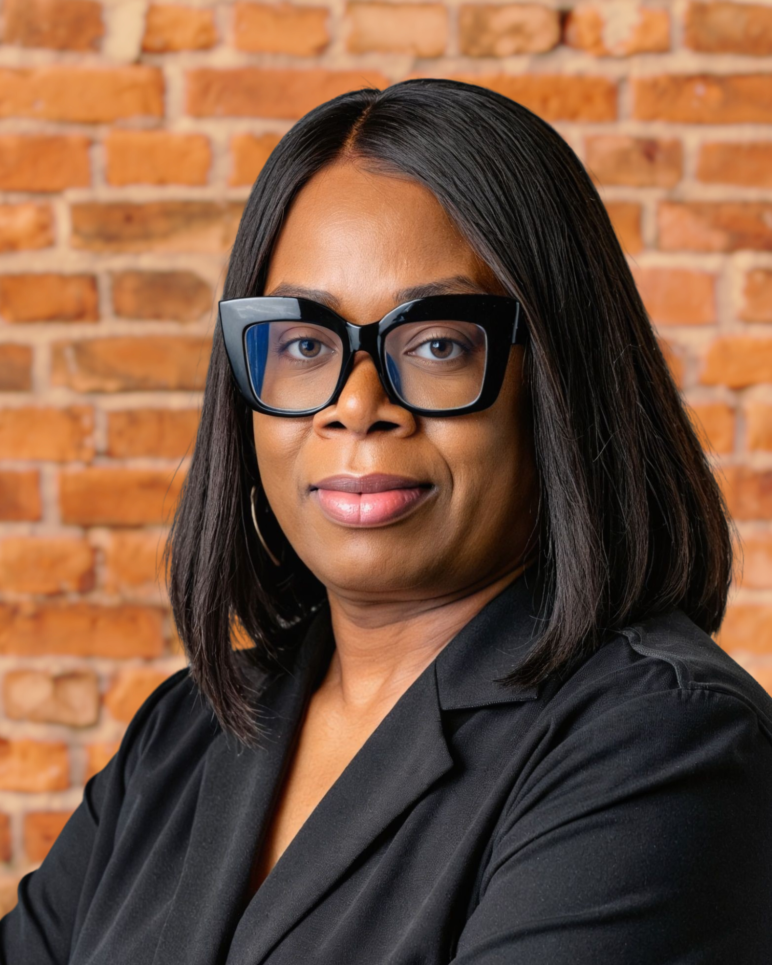
Though an $85,000 grant may not seem like much on paper for a collective of 13 stations, the grant is “catalytic in enabling us to rethink ways to then multiply that investment, to bring people into communication or conversation with us who can also invest,” said Ju-Don Marshall, CEO of WFAE in Charlotte, N.C., and president-elect of NCPRA.
“This initial grant becomes a seed that we are hoping to harvest into much more investment in pursuit of our ultimate goal of serving residents of North Carolina,” Marshall said.
Following Congress’ rescission of federal public broadcasting funds last summer, the grant is “one of the greatest opportunities” the collective has to bolster public radio in the state, said Tom Dollenmayer, president of NCPRA and GM of WFDD in Winston-Salem, N.C. The initiatives NCPRA will seed with the grant will aid the sustainability of both the collective’s member stations and public radio statewide, he said.
“It isn’t the be-all, end-all, but it is a solution and a piece,” Dollenmayer said. “You don’t fix public radio post-rescission with one big answer. There are multiple answers and multiple revenue streams to the fix, and this is one of them.”
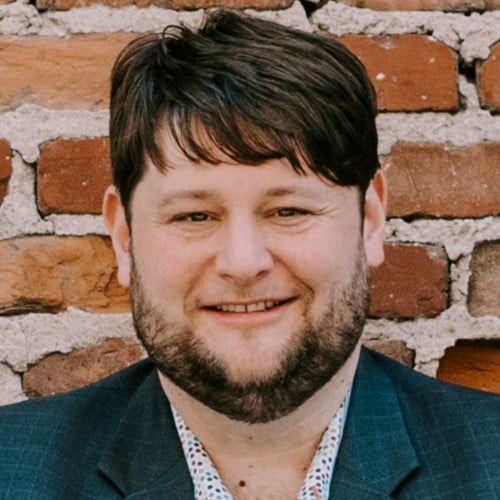
NCLNLF Associate Director of Funder Partnerships Sam Spencer said supporting public radio stations in the state through the grant made sense because public broadcasters align with the foundation’s mission to ensure that people have reliable access to local news and information.
“Keeping people informed takes a range of players — journalists, trusted communicators, community organizations. In many ways, public radio stations are able to be all of those,” said Spencer. “Being able to make sure that we not only fill information gaps across North Carolina but make sure we’re not creating new gaps is a really important part of the fund’s mission and something that we’re hopefully accomplishing through this grant.”
Planting the seeds
For years, NCPRA had operated without the capacity to support its member stations, said Dollenmayer.
Earlier this year, the North Carolina Local News Lab Fund brought together leaders of seven public radio stations in the state to explore how it could help them in the wake of the rescission. The stations then spent the following months crafting a robust plan to bolster NCPRA’s role as a collective for member stations, Dollenmayer said.
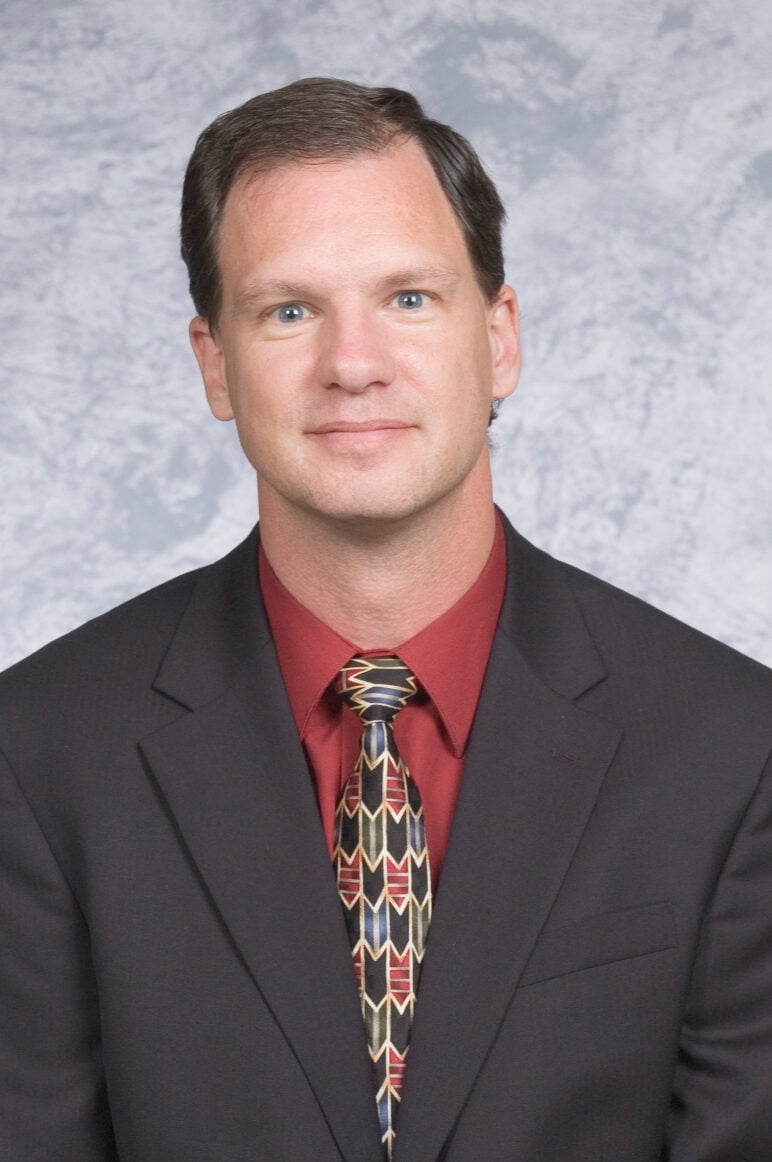
NCLNLF was “really interested in helping” NCPRA recalibrate and revive its operations, which ultimately led to the grant, Dollenmayer said.
One of NCPRA’s first steps was to better define its executive hierarchy. Board members representing the stations met in May to determine the collective’s president and retained Dollenmayer in the position. They also established new executive positions, including a president-elect successor, a secretary and a treasurer, Dollenmayer said.
While the executive team spearheads many decisions, it still has to reach consensus among board members to proceed, Dollenmayer said.
The collective’s primary ambition with the NCLNLF grant is to hire an underwriting salesperson. Underwriting sales have declined for many member stations over the past decade, Dollenmayer said, so the salesperson would sell statewide underwriting “on a bigger, bolder scale” for the stations.
“If we have a dedicated person who’s going to be selling this, … everybody’s going to get back to a revenue line that’s been shrinking on their sales report every single year to a number that’s growing,” Dollenmayer said. “At this point in public media, any money on the revenue line is a serious addition.”
The collective is currently creating a framework for how “partner stations can reinvest in NCPRA through revenue-sharing activities,” Marshall said. The collective plans to use a mix of reinvested underwriting revenue from member stations, fundraising and other external grants to finance other initiatives, she said.
NCPRA also plans to develop a formal framework for sharing local coverage and increasing reporting capacity across stations, Dollenmayer said.
Up to this point, he said, member stations have mainly shared content informally, but he envisions that the grant and the revenue it will bring could partially fund new reporter positions at stations. The executive team seeks to ensure that all stations benefit from grant-related initiatives and subsequent revenue.
“One of the goals we’ve talked about is almost like a Report for America kind of model where we take some of that revenue and give it to stations as seed money to grow bigger, such as reporting capacity,” Dollenmayer said.
Similarly, the executive team aims to shape and implement a statewide alerting system that would support timely sharing of information across communities during emergencies, Dollenmayer said. The team is taking inspiration from the Florida Public Radio Emergency Network and is in contact with WUFT in Gainesville, Fla., which operates FPREN, to help craft a similar system, he said.
NCPRA is working to secure additional external financing for the system and has seen early interest from funders for the project, Marshall said.
The collective also is looking to create a robust pipeline for students at HBCUs to find careers in public media, Dollenmayer said. With various stations in the collective housed at HBCUs, such as WNCU in Durham and WRVS in Elizabeth City, and many others near HBCUs, a goal is to work with the schools to establish opportunities for students to get hands-on experience at stations.
‘A laundry list’
Embarking on certain initiatives as an individual station is costly, time-consuming and ultimately risky, said WFAE’s Marshall. Working collectively offers stations the best chance at staying afloat while continuing to build on their offerings and the mission of public media, she said.
“There is always a laundry list of things that I want to do but I don’t have the resources to do,” Marshall said. “It makes it much more easy to collaborate and to carve out the precious limited time that we have to devote to those efforts when there’s resources undergirding us so that we’re not further depleting our organizations. … Having the financial support in order to experiment and try new things is critical to the moment that we’re in and critical to innovation.”
There may be an opportunity for a second year of funding from NCLNLF, which would go toward “scaling a lot of what we said we wanted to do as a statewide civic media system,” she said.
“There is no guarantee but certainly an appetite for future support,” Marshall said.
In the meantime, NCPRA aims to ease the strain on member stations as they continue to adjust to life after CPB, Dollenmayer said.
“Everybody who’s a GM in the state of North Carolina is busy,” Dollenmayer said. “They’re busy running their station and their business and their revenue side of things, trying to be self-supporting in this new environment. … Rising tides lift all boats, that’s the phrase I think of when I look at this.”