

Audio festival Third Coast faces uncertain future after years of strain
Third Coast International Audio Festival
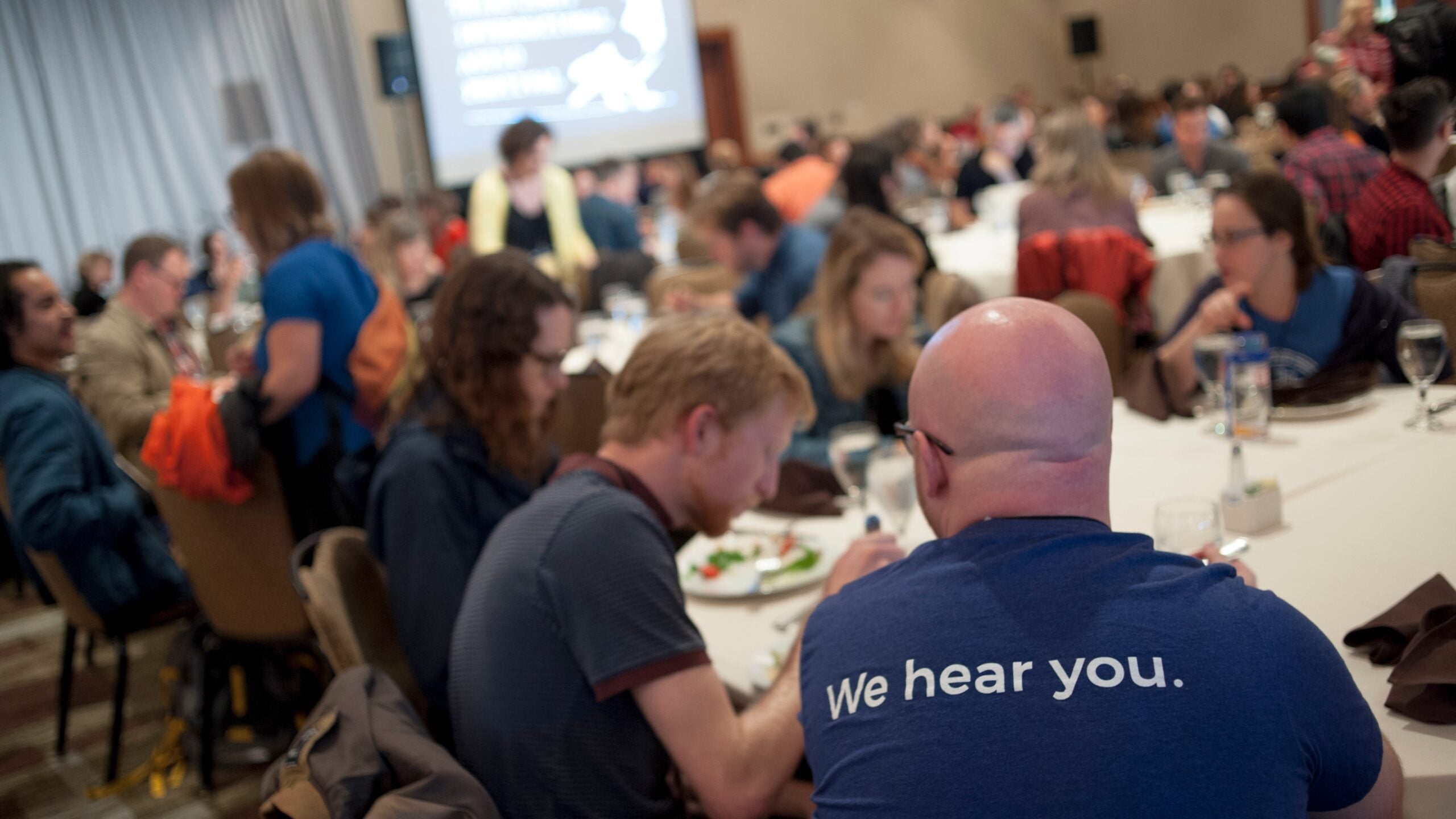
Attendees eat a meal during a Third Coast International Audio Festival conference in 2019, the last year the organization held an in-person convening.
“Dear Community,” the message began. “You may have noticed that things have been quiet around here at Third Coast.”
The November email from the Third Coast International Audio Festival, also posted on its website, went on to detail a “difficult financial reality” that still afflicts the nonprofit organization. A downturn in grants since the pandemic prompted Third Coast to lay off all its paid staff at the end of 2025. Meanwhile, it’s a year behind on handing out awards for its 2024–25 competition, which recognizes the best in narrative audio stories from all over the world.
Third Coast was once a bedrock of the burgeoning audio storytelling industry. It began as a competition and conference under Chicago’s WBEZ in 2001. Its most recent in-person conference, held in 2019, drew a record 800 attendees.
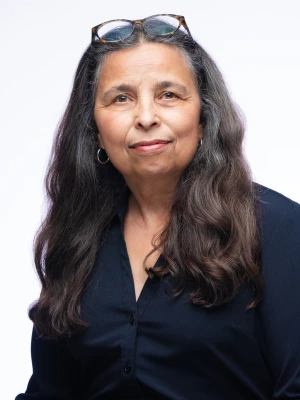
In addition to the conference and competition, Third Coast has hosted year-round local programming, offered an arts residency and produced a weekly radio show. Now, its future is unclear. The volunteers running the organization are focused on wrapping up the latest competition and “have not made any public pronouncements about what our future looks like,” says Jocelyn Robinson, who became chair of Third Coast’s board late last year.
“We really did everything we could to keep the organization afloat,” Robinson said. “And at every turn, there was a difficulty that arose.”
Former Third Coast staffers and conference attendees say the organization’s challenges have left a gap in the community of audio makers and narrowed access to professional opportunities.
“I get asked all the time, ‘What happened to Third Coast? What’s going on?’” said Julie Shapiro, Third Coast’s co-founder and artistic director from 2001–13.
‘So many opportunities’
When Third Coast began, submissions to its competition were sent in on CDs and cassettes. The podcast boom of the 2010s was years away.
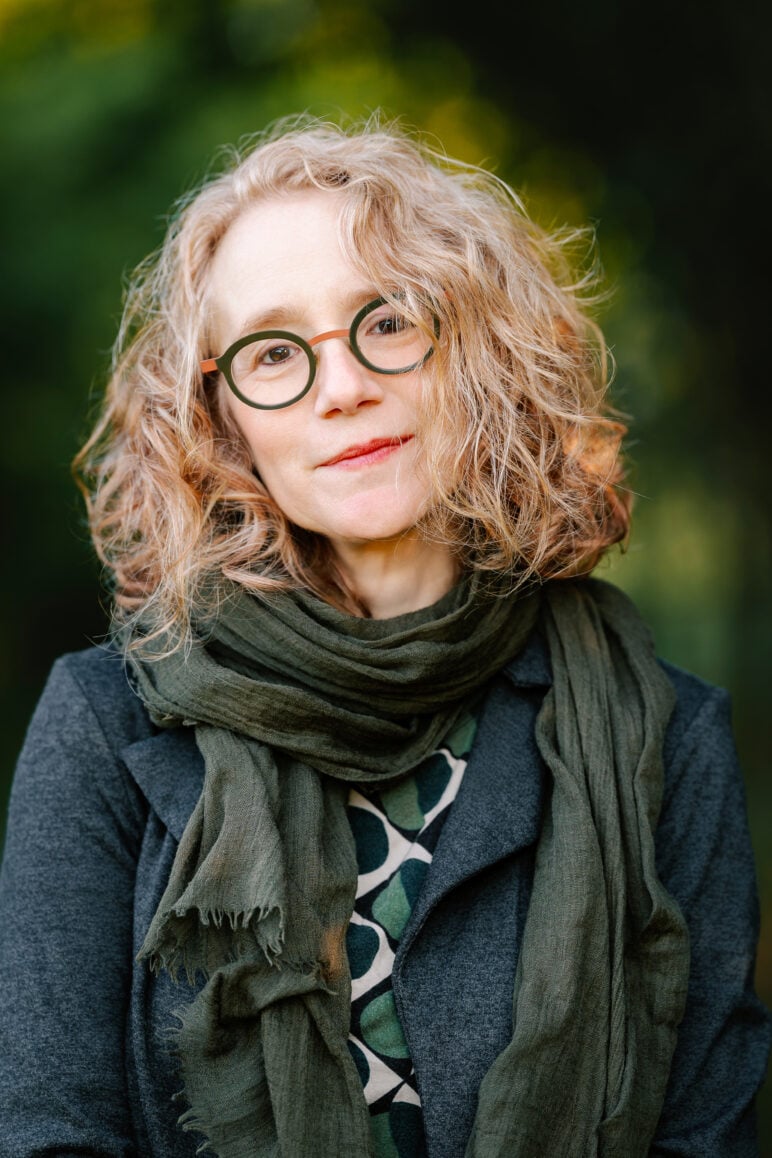
“I don’t think we understood the big changes coming,” said Shapiro, now an independent audio producer and co-founder of Audio Flux, an experimental outlet for short-form audio. “But we did understand that things were evolving.”
In 2009, Third Coast spun off from WBEZ to become an independent nonprofit. After the landmark podcast Serial brought a new wave of interest and funding to the field, Third Coast grew. The broader industry saw an increase in audiomaker funding and innovation in recording technology, which led to a more diverse pool of conference attendees.
“It was thrilling because there were so many opportunities,” said Johanna Zorn, a co-founder and former executive director of Third Coast. “We had to institute a rule around the conference that after a certain point we couldn’t change your name tag, because people were jumping from one project to another so quickly.”
But as the festival expanded, funding that growth became a challenge. According to tax filings, Third Coast has run a deficit every fiscal year since 2018. Revenue fell from a peak of $731,448 in FY17 to $141,853 in FY24, the most recent year for which records are available. That year, Third Coast ran a deficit of $88,276.
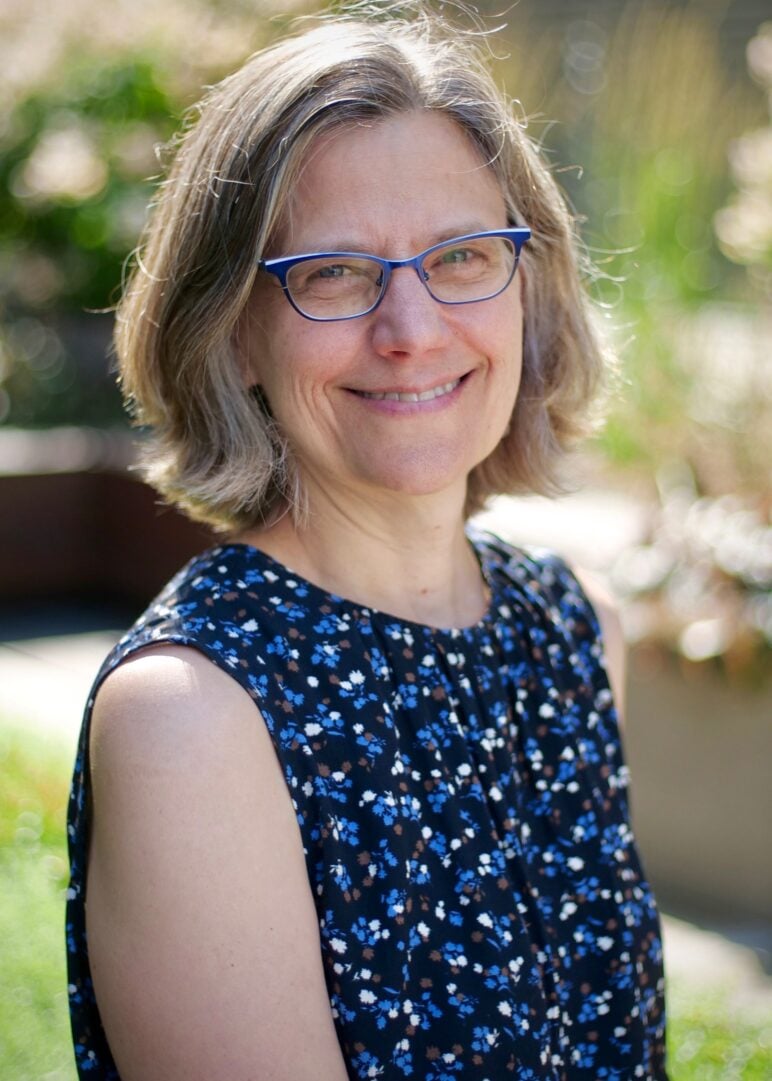
Zorn left Third Coast in 2019. She declined to comment further on the reason for her departure. Until that time, Third Coast had primarily relied on foundations, government grants and smaller corporate sponsorships. It had not landed larger corporate gifts.
“I’ll admit that I did not know how to bring in that money that was coming into the world,” said Zorn, who was a producer for WBEZ’s Chicago Matters before Third Coast launched. “I mean, I was a public radio producer.”
After Zorn left, Third Coast’s board and Maya Goldberg-Safir, then Third Coast’s artistic director, led a public search for her successor. They chose Shirley Alfaro, then an associate director of the Latino Policy Forum. Under Alfaro, Third Coast staged a virtual conference in 2020 and introduced a sliding-scale model for competition submissions that grew revenue. After Alfaro left in 2021, Goldberg-Safir and Emily Kennedy, formerly Third Coast’s Program Director, assumed leadership.
In a 2022 grant application to the Illinois Arts Council obtained through an Illinois Freedom of Information Act request, Goldberg-Safir and Kennedy said Zorn’s departure had left fundraising efforts “at a standstill.” The co-directors said they planned to renew marketing and seek “untapped foundations, corporate sponsors and major donor support.” Goldberg-Safir declined to comment to Current, and Kennedy did not respond to requests for comment.
But Third Coast suffered another blow in 2023 when the Richard H. Driehaus Foundation, the sponsor of the organization’s flagship competition since its launch, pulled funding. The decision “came as a shock to the organization,” according to an IAC grant application submitted for FY26. A Driehaus spokesperson said the foundation does not comment on past grantees.
A 2024 We Need Third Coast campaign to fund the latest competition cycle successfully raised more than $60,000, according to the FY26 IAC application. Yet a part-time competition manager and Kennedy, Third Coast’s last paid staffers, were laid off at the end of 2025. Goldberg-Safir had already left in January of that year.
‘We really need a Third Coast’
As Third Coast’s activities have waned, other organizations have emerged to offer similar opportunities to audio makers. The Tribeca Film Festival began an audio awards program in 2022. That same year, the Resonate Podcast Festival launched in Richmond, Va. Audio magazines such as sound fields and Signal Hill provide forums for creators to share their work. In Chicago, Northwestern University hosted an Audiophile Conference for sound creators this month.
Third Coast also made collaborators of audio creators and connected them with production resources. Invisibilia, the NPR radio show and podcast produced from 2015 to 2023, famously sprung from a Third Coast conversation. The co-founders of Signal Hill also met at the festival.
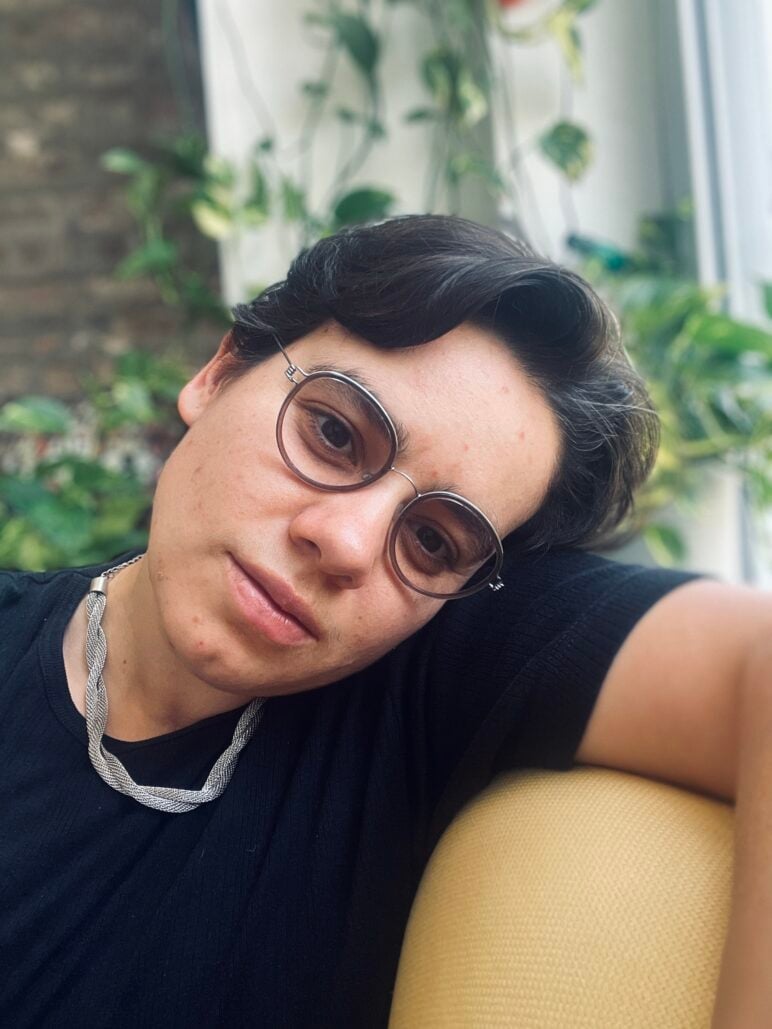
Sayre Quevedo, a co-founder of sound fields, first attended Third Coast on an Association of Independents in Radio New Voices Fellowship in 2012. He went on to win Third Coast awards in 2018 and 2019, which he described as a “huge game changer” for full-time podcasting jobs and visibility for his projects.
Now, as public radio and commercial podcast funding has declined, Quevedo says he misses the community and resources Third Coast offered. “Especially in this moment, I feel like we really need a Third Coast,” Quevedo said.
Ariana Martinez, also a co-founder of sound fields, attended Third Coast in 2018 with support from AIR’s New Voices.
“I know people’s experiences have been different, who felt a little bit gatekept,” Martinez said. “But, for the most part, the people that I entered the field with were all kind of surprised at how much access you could have to a world that would otherwise be really hard to kind of elbow yourself into.”
Third Coast’s archive of ‘inspiration’
Robinson, the chair of Third Coast’s board, said the organization has not ruled out holding future conferences. Meanwhile, she is also leading efforts to create a Third Coast archive, drawing on her extensive experience with radio preservation. Robinson served on the Library of Congress’ Radio Preservation Task Force in addition to directing the HBCU Radio Preservation Project and station archives at WYSO in Yellow Springs, Ohio.
Robinson says the archive will chronicle Third Coast’s festival and the evolution of the audio-making field through an operational history and a collection of past submissions and winners. It will encompass everything from its anthology of winning audio to tote bags.
“There’s so many parts of the audio universe that we live in right now, and it’s a real chronicle of that development,” she said.
Part of the history documented by the archive will be Third Coast’s growth to more broadly include and support diverse audio makers, such as BIPOC, disabled and queer communities. Robinson served on a 2019 community advisory group to Third Coast that was part of efforts to respond to a “history and legacy of when we have failed in action or complicity,” according to a 2020 IAC grant application. As a listener for the 2021 competition, Robinson noticed what she saw as a shift in winners in Third Coast’s later years.
“Content became more relatable to me as a person and as somebody who did not see myself as a journalist or as representative of that storytelling class that was created through NPR and through the emergence of this sensibility at WBEZ,” she said.
Now, as “public media is in a moment where it is having to reassess how it does business,” Robinson said, she sees Third Coast continuing to play a role through the archive work.
“We are still in a place where we can protect and preserve and make accessible the inspiration that people are going to need to keep going here,” Robinson said.
Third Coast’s physical archive materials are now housed in a Chicago storage unit. The biggest hurdles going forward will be navigating the complicated usage rights involved in preserving such a varied collection of works.
“Once we have that path cleared, there will be, I think, a lot of action in terms of finding the right home for the collection,” Robinson said. “And that may be multiple homes. We’re just not sure yet.”
Corrections: An earlier version of this article incorrectly said that Third Coast held its first conference in 2004. It was in 2001. Also, due to an editing error, it incorrectly said that Third Coast did not receive corporate sponsorships. It did receive some, though they were relatively small.


A necessary piece! Thank you for bringing this to the conversation and for shedding some light into what’s going on. It’d be great to have a follow up that takes the contestants into consideration. We’ve heard nothing from Third Coast, not a single word since that post from november. They claim to have a newsletter, but it doesn’t really exist, and they no longer reply any emails. Some of us (participants) are looking into the matter to figure out how to reach them. They are, after all, accountable for the hefty fees we payed to join the competition. But it’s not actually about the money, we just feel so ghosted! We understand the situation and this article is very helpful to put things in perspective, but we deserve some respect as professionals and human beings.