
Radio Bilingüe delays equipment upgrades after loss of CPB, FEMA funds

Radio Bilingüe, the California-based Spanish-language radio network that broadcasts in parts of the U.S. and Mexico, has revised its plan to upgrade decades-old transmission equipment at six of its California stations following the loss of expected Next Generation Warning System funds.
CPB had notified the broadcaster that a $1.1 million Next Generation Warning System grant from the Federal Emergency Management Agency would be finalized in May. The next month, CPB informed Radio Bilingüe and all other organizations expecting NGWS funds that the grants had been withdrawn. The organizations were told to end all NGWS-related work.
Earlier this year, CPB had told stations it was unable to access the NGWS funds. It took FEMA to court, and the agency later lifted the hold on the grants. But in May, FEMA again cut off the funding. In September, FEMA and CPB agreed to pause their lawsuit.
José Martínez-Saldaña, Radio Bilingüe’s co-executive director, said the NGWS grant would have replaced the aging transmission equipment, which hadn’t been updated since the 1980s. He said the organization uses the equipment to operate as a warning system and response network during emergencies such as floods, hurricanes, wildfires and earthquakes.
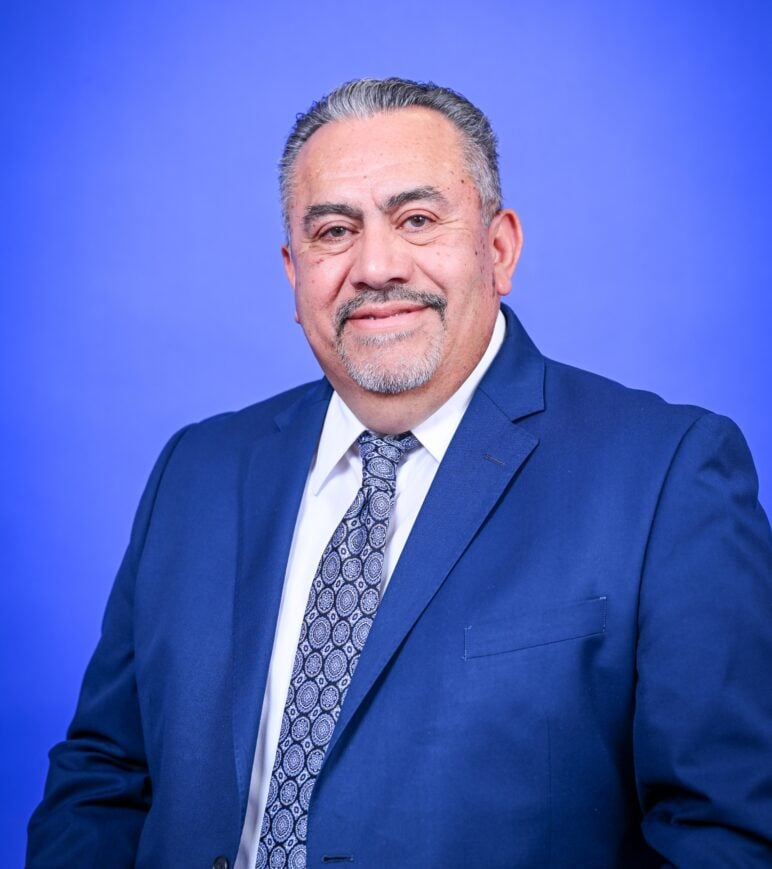
Martínez-Saldaña said the outlet played a role in broadcasting information during the Southern California wildfires in January.
“When the fires in the L.A. region took place and destroyed large sectors of two communities, the American Red Cross reached out to us to be the provider of updates and content to those impacted communities,” Martínez-Saldaña said. “Often, it’s the state and local governments that reach out to us to engage in really sharing that information on a daily basis.”
Radio Bilingüe still plans to upgrade the transmission equipment, though the work will no longer occur next year as planned, Martínez-Saldaña said. He said the organization must first secure funding.
“It’s going to take us a little bit longer to do that, and investments hopefully from our partners, foundations and such,” he said. “But that’s money that we still need to raise.”
In addition to the $1.1 million NGWS grant, Congress’s recession of CPB funds means the organization expects to lose about $300,000 annually in direct CPB support — approximately 7% to 8% of its $4 million yearly budget, Martínez-Saldaña said. These funds helped support free programming for the network’s 30 noncommercial stations and 75 affiliates.
Co-Executive Director Hugo Morales founded Radio Bilingüe in 1976 to bring Latin American voices to the airwaves and provide essential workers, immigrants and working Latin American families with accessible news, information and programming.
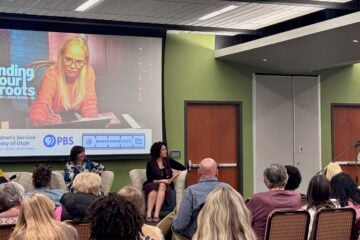
Speaking before the California State Assembly Wednesday at a hearing about public media funding, Martínez-Saldaña emphasized the extent to which the Trump administration’s policies, in addition to the rescission of federal funding for the system, affect Radio Bilingüe’s ability to carry out its mission.
“We also are being impacted as our state agencies and nonprofit partners have had their federal dollars also slashed,” Martínez-Saldaña said. “This is a serious setback, not just for us, but for the rural and low-income communities we serve every day. For them, Radio Bilingüe is usually the only reliable source in their languages for local news, emergency alerts, educational programming, civic information, and of course, our daily programs celebrating Latino arts and culture.”
Despite the loss of federal funds, Radio Bilingüe is continuing to expand into new markets. Martínez-Saldaña said the organization added five stations this year and is committed to serving its Spanish-speaking, immigrant, Indigenous and farmworker audiences.
Martínez-Saldaña said that while the loss of CPB funds affects Radio Bilingüe’s plan to upgrade transmission equipment, the organization will continue to carry out its mission and keep its communities informed.
“No scaling back at this point,” Martínez-Saldaña said. “When we are looking at what is occurring right now, it’s a direct challenge to our very existence, so we are trying to make sure that we’re remaining relevant. We are continuing to do our programming to the best ability that we can.”